I Compared 7 Kinds of Home Gym Flooring. Only One Is Built for Dropped Barbells.
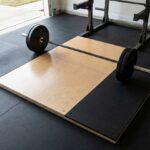
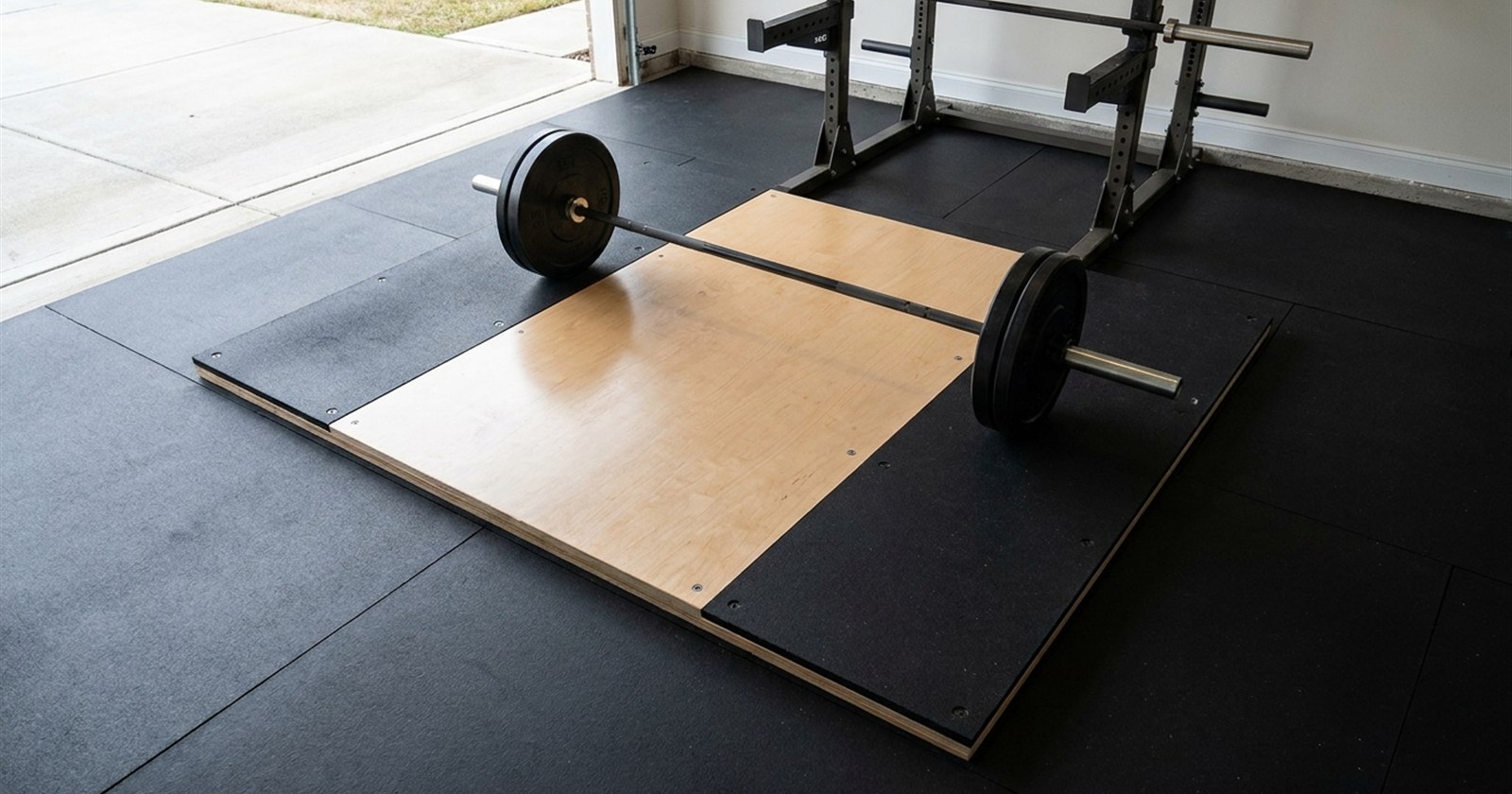
Illustration. A layered lifting platform in the middle of a garage floor covered in rubber stall mats.
Home gym flooring is sold with vague promises. Listings call it heavy-duty, shock-absorbing, commercial-grade or “perfect for weightlifting”, and the photos show a loaded barbell resting on spotless black tiles. They rarely show what the floor looks like after a few hundred reps, or what happened to the concrete underneath.
So I compared the seven floors people actually put in garages and spare rooms: a layered lifting platform, horse stall mats, commercial rubber rolls, thick crumb-rubber tiles, dense interlocking rubber tiles, thin budget rubber tiles and EVA foam puzzle mats. I looked at each one the same way: how it’s built, how dense it is, where its seams fall, what it does under a rack, and what it’s likely to do when a loaded bar comes down on it. If you’re kitting out the rest of the room too, the free Machine Swap Playbook shows how far a rack, a bar and a bench go once the floor is sorted.
The short version: dense rubber is the right home gym flooring for ordinary strength training, and plain horse stall mats are the best value. If you drop heavy deadlifts, build or buy a deadlift platform: rubber drop zones on a rigid plywood base. Foam puzzle mats look thick but belong under yoga, not under a barbell. And no floor makes a drop harmless. It changes how the force reaches the slab; it doesn’t make the force disappear.
What Home Gym Flooring Actually Has to Do
A gym floor has more jobs than it looks. It has to protect the slab, protect the plates, keep the rack and bench stable, give your feet grip, dampen noise and survive moisture. Those jobs pull against each other. Softer rubber is quieter but bouncier and less stable. Harder rubber is stable but louder. Thicker isn’t automatically better if the material is soft.
The useful question for home gym flooring isn’t “how thick is it?” It’s “when a plate lands, where does the force go?” A good floor spreads that force out before it reaches the concrete. A poor one lets the plate push straight through to a small patch of slab.
The Seven Options Compared
| Flooring | Protects the slab | Stability under a rack | Bar rebound | Seams | Best use |
|---|---|---|---|---|---|
| Layered lifting platform | Best | Excellent | Low | Few, by design | Heavy deadlifts and drops |
| Horse stall mats | Very good | Very good | Low to moderate | Good if plates land mid-mat | Most garage gyms |
| Commercial rubber rolls | Good to very good (by thickness) | Very good | Moderate | Very few | Finished full-room floors |
| Thick crumb-rubber tiles | Good | Fair (racks dent it) | Highest | Fair to good | Noise-sensitive rooms |
| Dense interlocking rubber | Good | Good | Moderate | Weak point | Controlled lifting, rentals |
| Thin budget rubber | Limited | Fair | Moderate | Fair | Light equipment only |
| EVA foam puzzle mats | Poor | Poor | Unpredictable | Poor | Yoga and bodyweight only |
These ratings come from how each material is built and how it’s known to behave, not from instrumented drop tests. Read them as a ranking, not as lab numbers.
Why Layers Beat Thickness
The best home gym flooring for heavy work isn’t the thickest rubber. It’s rubber on top of something rigid.
Rubber softens the hit. A dense rubber layer takes the sharpness out of the impact and protects the plates.
A rigid base spreads it. Plywood under the rubber spreads the remaining force over a much larger area of slab instead of letting it concentrate under the plate. That’s why a layered lifting platform outperforms a single, thicker layer of rubber.
Soft and thick can still fail. A thick but soft surface compresses deeply. The plate sinks almost to the bottom, and the force still arrives at a small patch of concrete. That’s exactly what happens with foam.
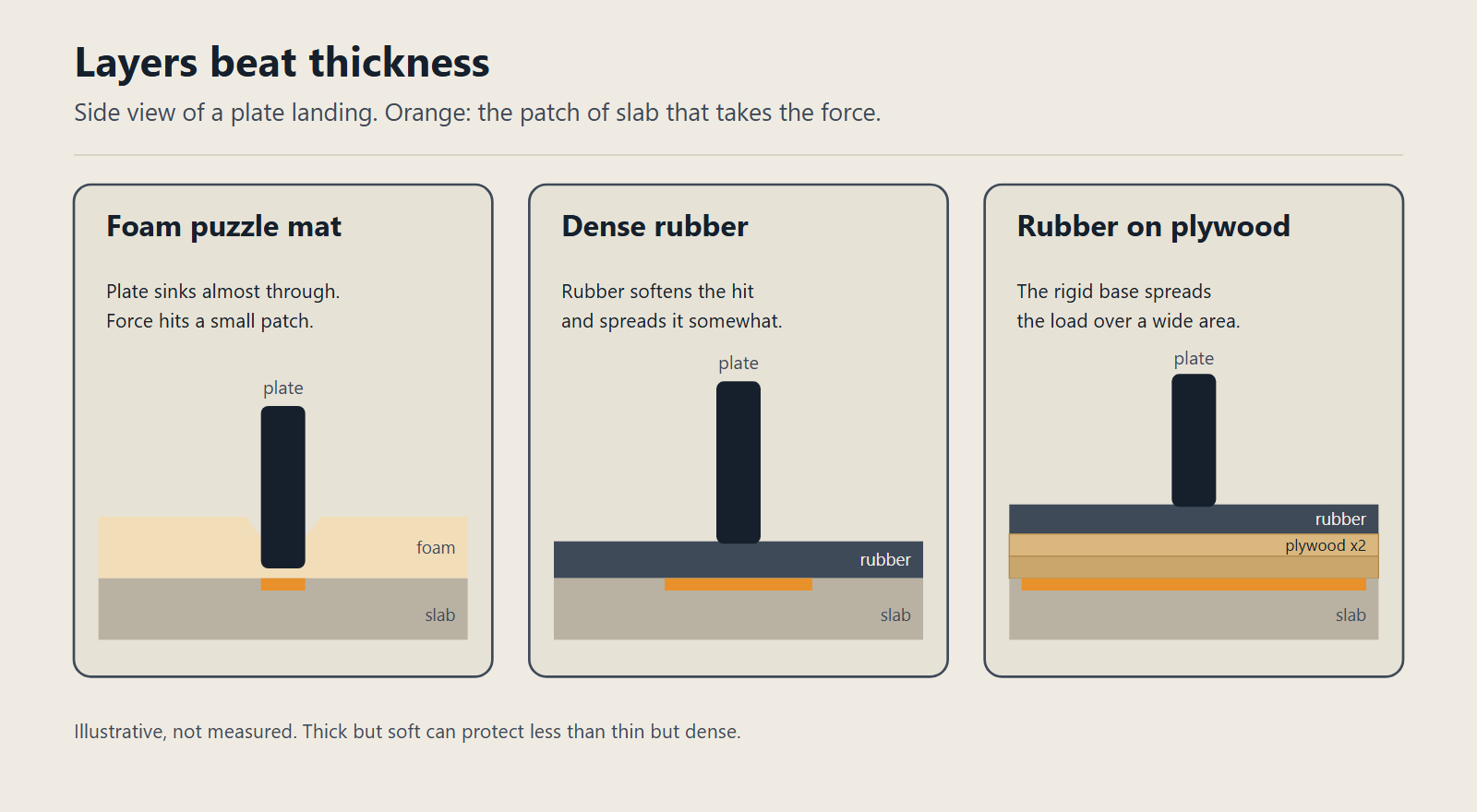
Figure 1. The rigid base, not extra thickness, is what spreads the load.
Best Overall Protection: A Layered Deadlift Platform
A proper deadlift platform is the strongest home gym flooring setup for repeated heavy drops. The classic build is 8 by 8 feet: two base layers of plywood laid perpendicular to each other, then a smooth 4-by-8 center panel to stand on and dense rubber strips on both sides where the plates land. Horse stall mats cut lengthwise are the usual rubber.
Why it works. The rubber drop zones soften the impact, and the plywood beneath spreads the load across the slab. Your feet stay on a flat, firm surface. The plates on a standard bar sit just outside a 4-foot center panel, so they land on rubber.
What it doesn’t fix. A loaded bar landing on a platform is still loud. Much of the low-frequency thud travels through the slab and walls whatever you put on top.
The drawbacks. It takes a permanent 8-by-8 patch of the room. It’s heavy and awkward to move. And plywood over a damp slab can trap moisture and rot, so the concrete needs to be dry and checked now and then.
If you do Olympic lifts, or deadlift heavy and let the bar drop, a deadlift platform is the one floor that’s built for it. For a garage gym that mostly squats and presses, it’s more than you need.
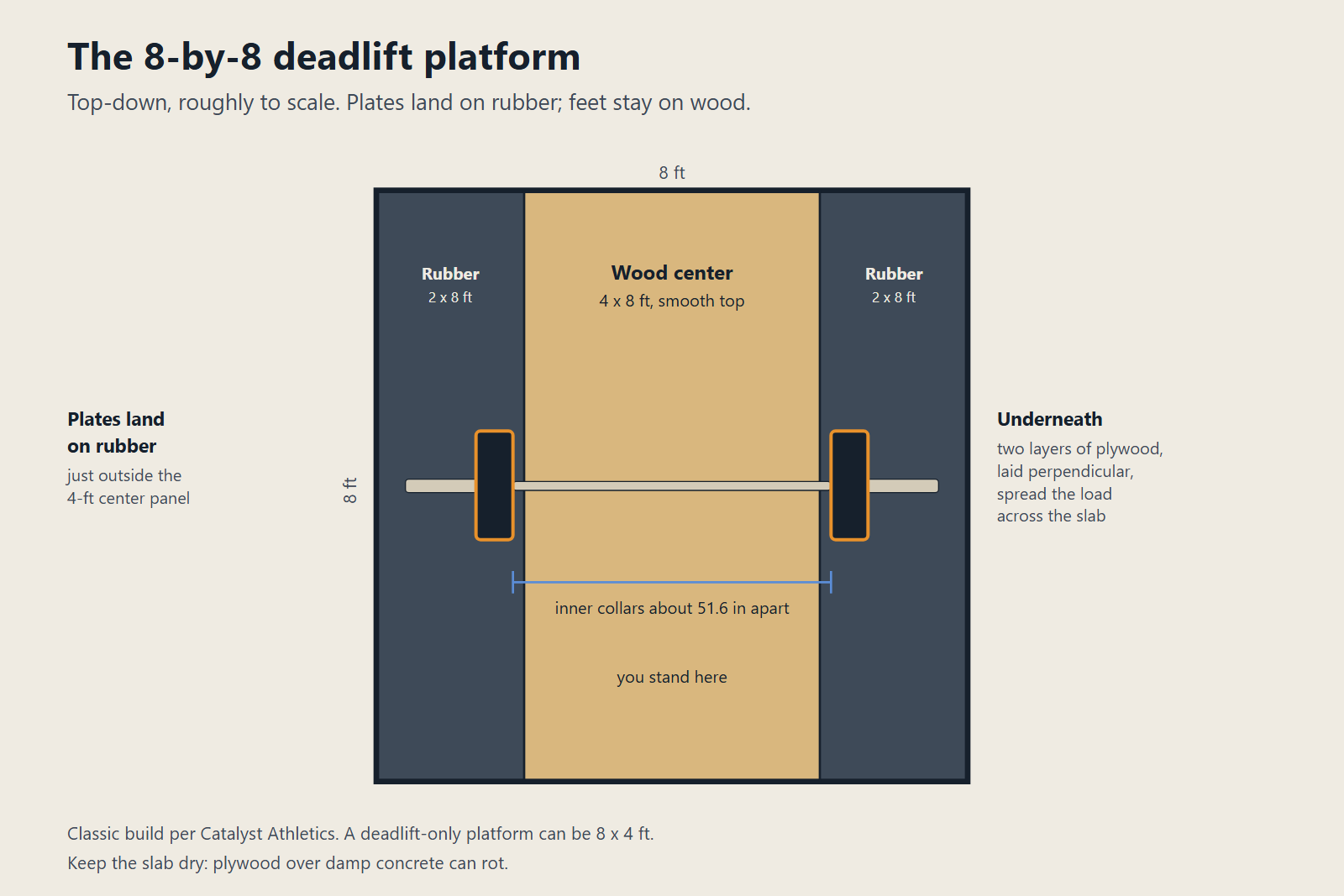
Figure 2. The plates land on rubber; your feet stay on wood.
Best Value Rubber Flooring for a Home Gym: Horse Stall Mats
Horse stall mats are the best simple rubber flooring for a home gym. They’re usually 4 by 6 feet and 3/4 inch thick, dense and heavy, which is exactly what you want. Their weight keeps them flat and stops them creeping under a loaded bar.
Under a bar. They handle controlled deadlift set-downs and occasional drops without dramatic compression. Plates leave surface marks where they land repeatedly, but dense mats don’t tear easily.
The seam problem. The weak point is where two mats meet. A plate landing half on a seam can lift or separate the edges, and repeated hits on the same joint make it worse. The fix is counterintuitive: with 4-foot-wide mats, stand over a seam. The plates on a standard bar sit roughly 26 to 32 inches from its center, close to the middle of each 48-inch mat, while the seam under your feet takes no impact. Taping a seam doesn’t make it structurally disappear; the layout matters more.
The smell. New stall mats can smell strongly of rubber, especially in a warm, closed garage. Ventilation helps, but it takes a while to fade. In a bedroom or office it may be a dealbreaker.
The price catch. On Amazon, a single 3/4-inch, 4-by-6 mat costs far more than at a farm-supply store, because shipping something that heavy is expensive. If you can collect them locally, that’s usually the cheap route.
For most garage gym flooring jobs, stall mats are the best balance of protection, stability, thickness and cost.
Best Finished Look: Commercial Rubber Rolls
Commercial rubber rolls give the cleanest garage gym flooring: a continuous surface with far fewer seams than tiles or mats. Common gym thicknesses are around 8 mm (5/16 inch) for general use and thicker for heavier work.
Stability. Once laid flat, rolls stay put. There are no interlocking edges to pull apart, and they work well under racks, benches and dumbbells.
Protection depends on thickness. A thin decorative roll protects far less than a thick one, and even thick rolled rubber doesn’t spread force the way a rigid base does. Under repeated heavy drops in one spot, the impact area tends to show.
Installation. Rolls are heavy, want to curl and need careful cutting around walls and posts. Once they’re down, the room looks more professional than separate mats.
The best pairing: rubber flooring for home gym use across the whole room, plus a platform for the heaviest drops.
Best for Noise: Thick Crumb-Rubber Tiles
Crumb-rubber tiles are made of bonded rubber granules and are softer than solid rubber.
Noise. They take the sharp crack out of an impact better than most dense surfaces; a drop lands as more of a dull thump. Low-frequency vibration still reaches the building.
Rebound. The extra softness means more bounce. Bumper plates rebound higher and less predictably, which is a nuisance in a narrow room.
Compression. Racks and benches, especially with narrow feet, leave impressions. Repeated drops in one spot can deform the surface over time. Larger tiles mean fewer seams and better behavior at the joints.
They suit a general workout room where comfort and noise matter more than a perfectly firm surface.
Dense Interlocking Rubber Tiles
Dense interlocking tiles are easy to carry, quick to lay and replaceable one at a time, which makes them popular for rentals.
Their weakness is the joint. A plate landing mid-tile is fine. A plate landing on an interlocking edge can lift or separate it, and repeated hits make the seam more visible. The tabs may not break, but they allow more movement than a solid mat or a glued roll.
Best use. Moderate strength training where the bar is usually lowered under control. For frequent heavy dropping, put a platform on top.
Thin Budget Rubber Tiles
From a distance, thin budget tiles look like commercial home gym flooring. Under a bar they’re a different product.
They compress quickly, the impact sounds sharper because there’s less material between plate and slab, and rack feet leave dents. Light tiles also creep under repeated impact, even when the edges are interlocked. They’re better than bare concrete for light equipment and controlled lifting, but not enough for repeated loaded-bar drops. Their appearance promises more than their thickness can deliver.
Worst Choice: EVA Foam Puzzle Mats
Foam puzzle mats are the wrong home gym flooring for anything loaded.
Static loads. Rack feet and dumbbells sink in and leave deep dents that don’t fully recover. Narrow feet can cut the surface.
Under a bar. Even a low drop compresses the foam almost completely and pushes the seams apart, leaving little protection between plate and concrete. The bar bounces unpredictably because the foam deforms unevenly.
Sliding. A bench can shift under leg drive, and the surface stretches under heavy equipment.
Foam is fine for yoga, mobility, children’s play areas and light bodyweight work. It isn’t fine under a power rack, a loaded barbell or plate storage. Thickness alone doesn’t make it protective.
Get the whole system, not just the floor
A good floor only pays off if every session fits the gear standing on it. The Machine Swap Playbook turns the machines you’d queue for at a commercial gym into barbell, dumbbell and bench swaps, ordered by movement pattern, so a whole workout fits a rack, a bar and a bench.
Eighteen swaps. Forty pages. Free, no upsell.
Planning Numbers for Home Gym Flooring
These are typical sizes and rough prices, not measurements from my floor. Prices are Amazon examples from November 2026; local stores can be much cheaper for heavy mats.
| Flooring | Typical size | Typical thickness | Example price per sq ft |
|---|---|---|---|
| Horse stall mat | 4 × 6 ft | 3/4 in | about $9.70 shipped (much less picked up locally) |
| Rubber roll | 4 ft wide | about 8 mm (5/16 in) | about $3.80 |
| Thick rubber mat | 4 × 6 ft | about 7 mm | about $3.75 |
| Interlocking rubber tile | about 2 × 2 ft | 1/2 to 3/4 in | varies widely |
| EVA foam puzzle mat | 2 × 2 ft | about 3/4 in | cheapest, least protective |
| Deadlift platform | 8 × 8 ft (or 8 × 4 ft for deadlift-only) | 2 plywood layers + top + rubber | DIY or bought |
The price per square foot is only part of the cost. Count the weight you’ll carry, the cutting, and whether you’ll need a platform on top.
Thickness Isn’t the Only Number
Thicker home gym flooring generally performs better, but density and structure matter just as much. A soft foam tile can be thicker than a dense rubber roll and still protect less. When you compare rubber flooring for home gym use, or any other floor, look at:
- the material and its density
- thickness
- surface hardness and backing
- seam design and tile size
- your equipment’s footprint (narrow rack feet dent soft floors)
- bumper or iron plates
- how high the bar will drop from
- the condition of the slab
No single thickness number describes how a floor will perform.
Bumper Plates Still Need Good Flooring
Bumper plates reduce damage compared with dropped iron, but the full load still drives force into the floor. A few hundred pounds of rubber plates landing from hip height is a big impact. The plates need protecting too: repeated contact with bare concrete wears bumper edges, hubs and bonding. Storing them off the floor helps as well; my weight plate rack guide covers the options.
Iron plates are much harsher. They hit with a harder, narrower edge, crack louder and risk chipping the slab. Dense rubber doesn’t make iron behave like bumpers. With iron plates, lower deadlifts under control onto a platform, and don’t do Olympic lifts or repeated drops with them in a home gym.
The Subfloor Matters as Much as the Garage Gym Flooring
No two slabs are the same. Age, thickness, reinforcement, existing cracks, moisture and surface quality all change how well a floor tolerates impact. A setup that’s fine on a sound modern slab may be a poor idea over old cracked concrete, a suspended wooden floor, tile, vinyl, laminate, an upper story or a damp basement.
On a suspended wooden floor, vibration and structural load need a much more careful look; adding rubber doesn’t make repeated dropping safe for the building. If you’re unsure about the structure, don’t drop weights on it, and ask a qualified building professional.
Noise Travels Beyond the Room
What you hear inside the garage is only part of it. A dropped bar sends vibration through the slab, walls, shelving, garage door and the rooms next door. Softer crumb rubber takes the edge off the sound in the room, and a platform spreads some of the impact, but neither makes heavy drops quiet. In an attached garage, an apartment or a shared building, lowering the bar under control is still the best noise reduction there is.
Seams Are the Repeating Weak Point
Almost every modular floor is weakest at its joints. When a plate lands across two pieces, each reacts differently, which causes separation, raised edges, trapped dirt, moisture getting in, uneven rebound and gradual creep.
Two fixes work. Lay out the floor so the plates land in the middle of large pieces, and use larger mats or rolls so there are fewer seams to start with. A lifting platform solves it by design: the drop zones are continuous rubber strips fixed to a rigid base.
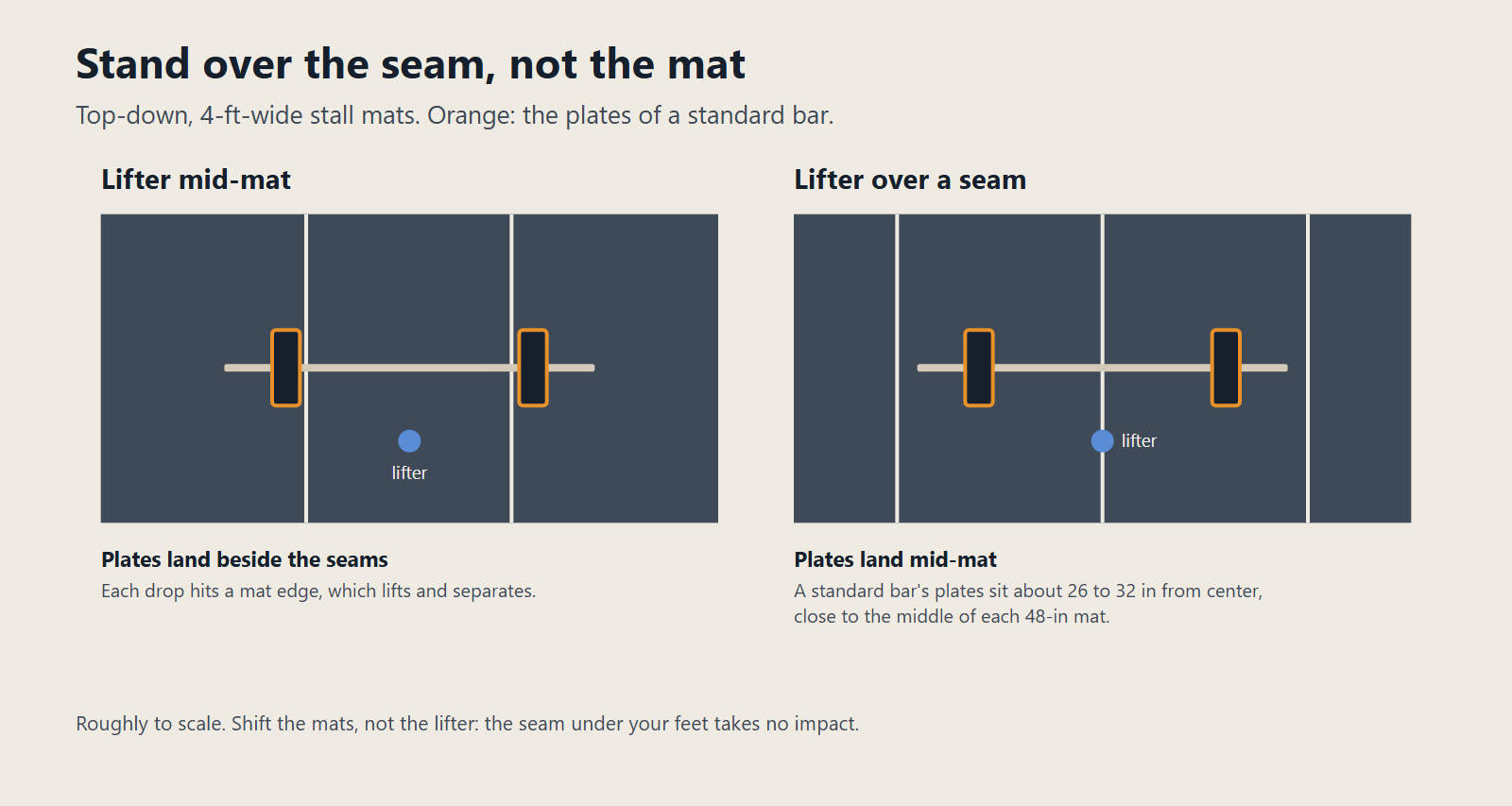
Figure 3. With 4-foot mats, a seam under your feet puts the plates mid-mat.
Moisture Can Get Trapped Under Rubber
Rubber doesn’t breathe. In garages and basements, condensation or slab moisture can collect under it. Over time that can mean odor, mold on nearby materials, stained concrete, failed adhesive and damaged plywood. If moisture is a known issue, lift a corner and check now and then, and never put a wooden platform on a damp slab until the moisture source is dealt with.
Which Home Gym Flooring to Buy
- General garage gym flooring: horse stall mats. They handle racks, benches, dumbbells and controlled deadlifts well for the money.
- Olympic lifting or heavy drops: a proper lifting platform with generous rubber drop zones.
- A finished indoor room: commercial rubber rolls for a clean, low-seam floor, with a platform on top for heavy drops.
- A noise-sensitive space: thick crumb-rubber tiles, plus controlled lowering.
- A rental or temporary setup: dense interlocking rubber tiles, with heavy dropping kept to a minimum.
- A light exercise room: foam is fine for bodyweight work, never for heavy equipment.
If your floor is tight on space too, my compact home gym build shows how flooring height changes the clearances, and my home gym power rack guide covers what to stand on it.
What You Need to Buy
These are well-reviewed, widely sold examples, not the exact flooring I’m describing above. Prices are from November 2026.
A 3/4-inch horse stall mat
The American Floor Mats Heavy Duty Stall Mat (about $233, 4.5 stars from over 400 ratings) is a 4-by-6-foot, 3/4-inch solid rubber mat, the classic garage gym flooring size. Shipping a mat this heavy is what makes it expensive online; compare a local farm-supply store before you order.
A thinner rubber mat for the whole room
The Rubber King Multi-Purpose Exercise Mat (about $90 for 4 by 6 feet at 7 mm, 4.6 stars from nearly 3,000 ratings) is recycled rubber flooring for home gym spaces that covers ground cheaply. At 7 mm it’s for general training, racks and controlled lifting, not for dropped bars.
A ready-made deadlift platform
The Titan Fitness Full Deadlift Platform (about $625, 4.4 stars from a small number of ratings) is an 8-by-4-foot steel frame filled with eight rubber tiles. It’s a frame of rubber, not the plywood-and-rubber build described above, and it’s deadlift-sized rather than a full 8-by-8. Titan suggests securing it to the floor if you use its band pegs.
Five Things to Check Before You Buy Home Gym Flooring
- How you’ll lift. Controlled lowering needs dense rubber; heavy drops need a deadlift platform.
- Density, not just thickness. Thick and soft can protect less than thin and dense.
- Where the seams will fall. Plan the layout so the plates land mid-mat.
- The slab. Check for cracks and moisture before you cover it, and be far more cautious on wooden or upper floors.
- Weight and smell. Heavy mats are hard to move and ship, and new rubber can smell for weeks.
Free Tools for Planning Your Home Gym
- Machine Swap Finder: type any gym machine you can’t fit at home and get three ranked swaps, with a gear line showing which ones need a rack or a bench.
- Adjustable Dumbbell Picker: answer a few questions about your room, budget and training, and it tells you which type of adjustable dumbbell suits you.
- Machine Load Converter: turn the weight you used on a gym machine into a starting load for the barbell or dumbbell swap.
Questions People Ask About Home Gym Flooring
What is the best home gym flooring for lifting weights?
Dense rubber. For most garage gyms, 3/4-inch horse stall mats are the best value. If you drop heavy deadlifts or do Olympic lifts, add a deadlift platform with rubber drop zones on a plywood base.
How thick should home gym flooring be?
For rubber flooring for home gym lifting areas, around 3/4 inch of dense rubber is a common standard, and about 8 mm is common for general training. Density matters as much as thickness: thick foam protects less than thinner dense rubber.
Are horse stall mats good for a home gym?
Yes. They’re dense, heavy and stay flat, which makes them one of the best values in garage gym flooring. The downsides are weight, a strong rubber smell when new and seams that can lift if plates land on them.
Do I need a deadlift platform?
Only if you drop heavy weights or do Olympic lifts. A deadlift platform spreads impact through a rigid base that rubber alone can’t match. If you lower the bar under control, dense rubber mats are usually enough.
Can I use foam mats under a squat rack?
No. Foam lets rack feet sink and shift, dents permanently and gives almost no protection under a loaded bar. Use foam for stretching and bodyweight work only.
Does rubber flooring stop barbell noise?
It reduces the sharp sound in the room, but it doesn’t stop vibration traveling through the slab and walls. Crumb rubber is quieter than dense rubber; lowering the bar under control is still the biggest noise reducer.
Should you put rubber flooring over concrete with moisture problems?
Fix the moisture first. Rubber traps moisture underneath, which can cause odor, mold on nearby materials and rot in a wooden platform. Lift and check the flooring now and then in garages and basements.
The Verdict on Home Gym Flooring
A layered deadlift platform gives the strongest protection for repeated heavy drops: rubber softens the hit and a rigid base spreads it. Horse stall mats are the best simple home gym flooring for ordinary garage training. Commercial rubber rolls give the best full-room finish, crumb-rubber tiles are the quietest, and dense interlocking tiles work for controlled lifting but are weak at the seams. Thin rubber protects less than it looks, and foam puzzle mats don’t belong under a barbell at all.
The bigger lesson is that flooring changes how force reaches the slab; it doesn’t make that force disappear. Dense beats soft, large continuous sections beat small tiles, and a rigid base beats extra thickness. And even the best floor lasts longer when the bar comes down under control. Good flooring protects against unavoidable impact. It isn’t a license for careless drops.
Once the floor is down, fill the space with sessions that cover what you’d miss from a commercial gym. The Machine Swap Playbook covers eighteen swaps across the six patterns the gym’s queues form around, with a one-page cheat sheet you can screenshot and use mid-workout.
→ Send me the playbook — it’s free
Affiliate disclosure: WildnSwole earns a commission when you click a link to a partner and make a purchase. As an Amazon Associate, I earn from qualifying purchases. Commissions do not change what the content recommends and they do not add to what you pay.
The content in this article is for general information only and does not constitute medical or personal training advice. Always consult a qualified professional before making changes to your training.
Leave a Reply