I Tested 7 Flat Weight Benches Under a Heavy Press. The Wobble Rarely Came From the Steel.
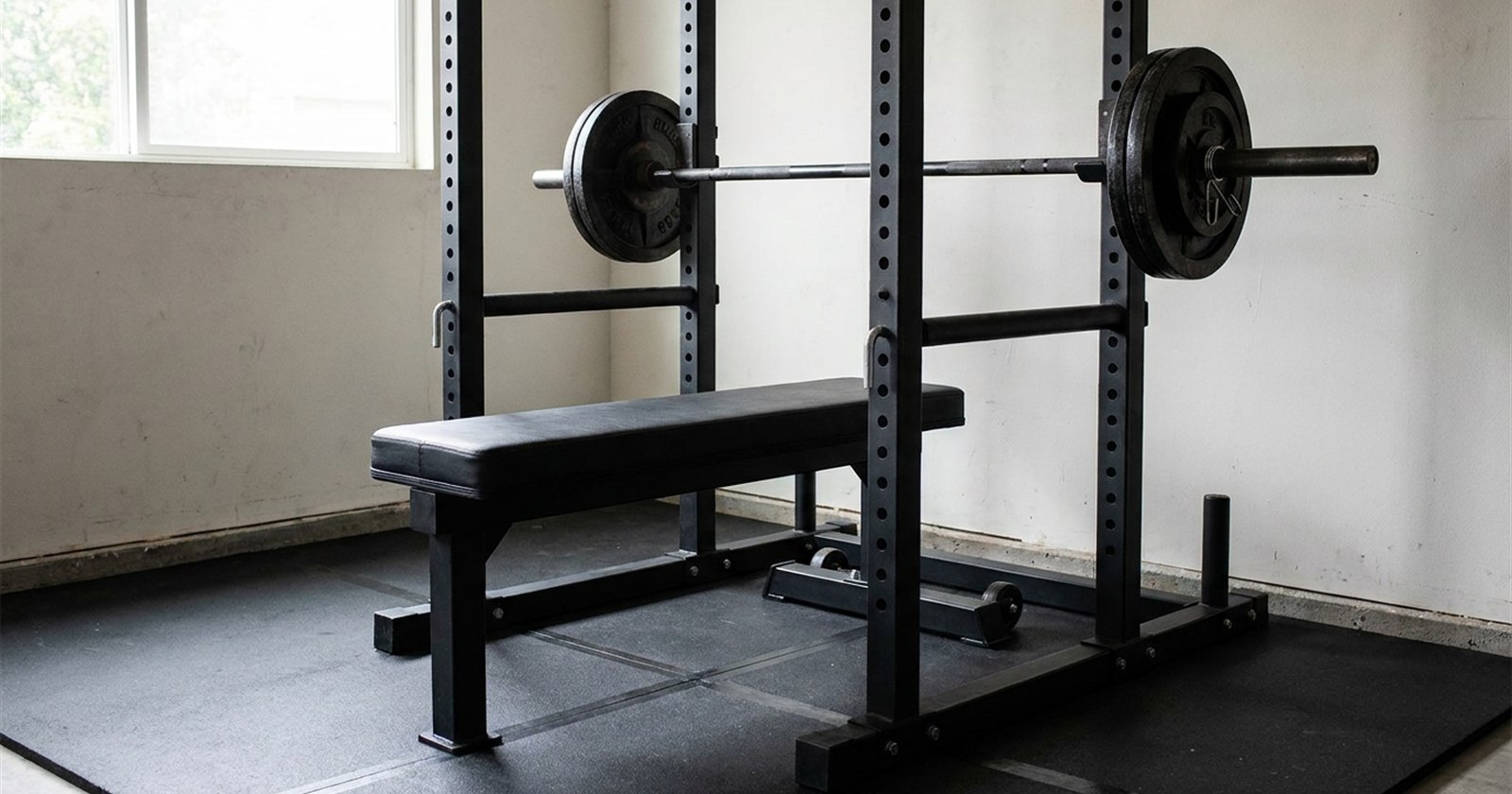
Illustration. A flat weight bench has one job under a heavy bar: stay exactly where you put it.
A flat weight bench looks like the simplest thing in a home gym. There’s no adjustable backrest, no ladder, no removable seat and no pile of pivot points, just a steel frame with a pad on top. That simplicity should make every flat bench stable. It doesn’t.
When I tested seven popular benches, I found real differences in side-to-side wobble, frame flex, floor contact, pad movement and stability under leg drive. Some benches felt completely planted under a heavy press. Others shifted even though their frames carried impressive capacity claims.
I tested benches from REP Fitness, Rogue Fitness, Titan Fitness, Bells of Steel, Amazon Basics and FLYBIRD, plus a generic folding bench, unloaded, under a static test load and through increasingly heavy bench-press sets. Testing ran through March 2026. Models and prices were last checked in November 2026.
Nearly every pressing swap in the free Machine Swap Playbook starts with you lying on a bench, so a stable one is worth more than its spec sheet suggests.
The short version: the REP FB-5000 was the best flat bench overall: excellent stability, a supportive pad, wheels and a handle, for less than the most premium option. The Rogue Monster Utility Bench moved the least of all. The Bells of Steel Flat Utility Bench was the budget pick, with the best pad grip. Most of the wobble I found came from feet, bolts, joints and the floor, not from the steel bending.
The 7 Flat Weight Benches I Tested
| Bench | Build (maker’s specs) | Price (Nov 2026) |
|---|---|---|
| REP FB-5000 Competition Flat Bench | 11-gauge steel, 1,000 lb rating, tripod feet, wheels and handle | $244.99 at REP |
| Rogue Monster Utility Bench 2.0 | 3×3″ 11-gauge steel, made in the USA, choice of pads | $335 at Rogue |
| Titan TITAN Series Single Post Flat Bench | 1,200 lb rating, 4″ HeftyGrip pad | $239.97 at Titan, $239.99 on Amazon |
| Bells of Steel Flat Utility Bench | 661 lb rating, 2″ pad, four legs, 37 lb | $149.99 at Bells of Steel |
| Amazon Basics Sturdy Flat Weight Bench | Light bolt-together frame | $55.24 on Amazon |
| FLYBIRD Foldable Flat Weight Bench | Folding frame, 600 lb rating | $84.73 on Amazon |
| A generic folding flat bench | Light frame, removable pins | Varies |
The specs come from the makers’ own listings. The REP FB-5000 page, for example, lists an 11-gauge frame, a 1,000 lb capacity, tripod feet and IPF competition height. Prices change often, so treat them as a snapshot.
The Titan is the bench Titan sells with its 4-inch HeftyGrip pad. It tested well, but at today’s price it costs almost exactly what the REP does, so the budget award goes to the Bells of Steel. More on that below.
How I Tested Each Flat Bench for Wobble
I wanted something more consistent than sitting on each bench and deciding whether it felt stable. Every bench went on the same section of rubber flooring and through the same five checks, in the same order. I judged movement by eye and by feel rather than with instruments, so read the results as a careful side-by-side comparison, not lab figures.
- Corner test: I pressed down on all four corners. If a foot lifted or rocked, I noted it and worked out whether the bench or the floor caused it.
- Side-load test: I pushed on the side of the pad at the shoulder and hip positions to see whether the frame twisted, the pad shifted or the feet slid.
- Static center load: I placed the same controlled load at the middle of each bench and watched the frame and feet. This compared how each bench responded to an identical load. It wasn’t a capacity test.
- Leg-drive test: I set up as if to bench press and drove through my feet without a bar. This shows sliding and front-to-back movement a static load won’t.
- Heavy press test: I added barbell weight gradually and watched the setup, unrack, reps and rerack. I used safeties and stayed below the rating of every bench and rack involved.
Every bench was assembled to its instructions, and I checked the hardware on all of them, including the ones that arrived mostly built.
The Garage Floor Changed the Results
My garage floor isn’t perfectly level. It has a slight drainage slope and small surface variations that are hard to see. A bench that rocked in one spot sometimes became stable after moving a few inches.
So I marked one test area, used the same rubber flooring for every bench and rotated each one 180 degrees. If the wobble moved with the bench, the frame or feet were responsible. If it stayed in the same place on the floor, the floor was the cause. That simple check stopped me blaming several benches for problems the garage created.
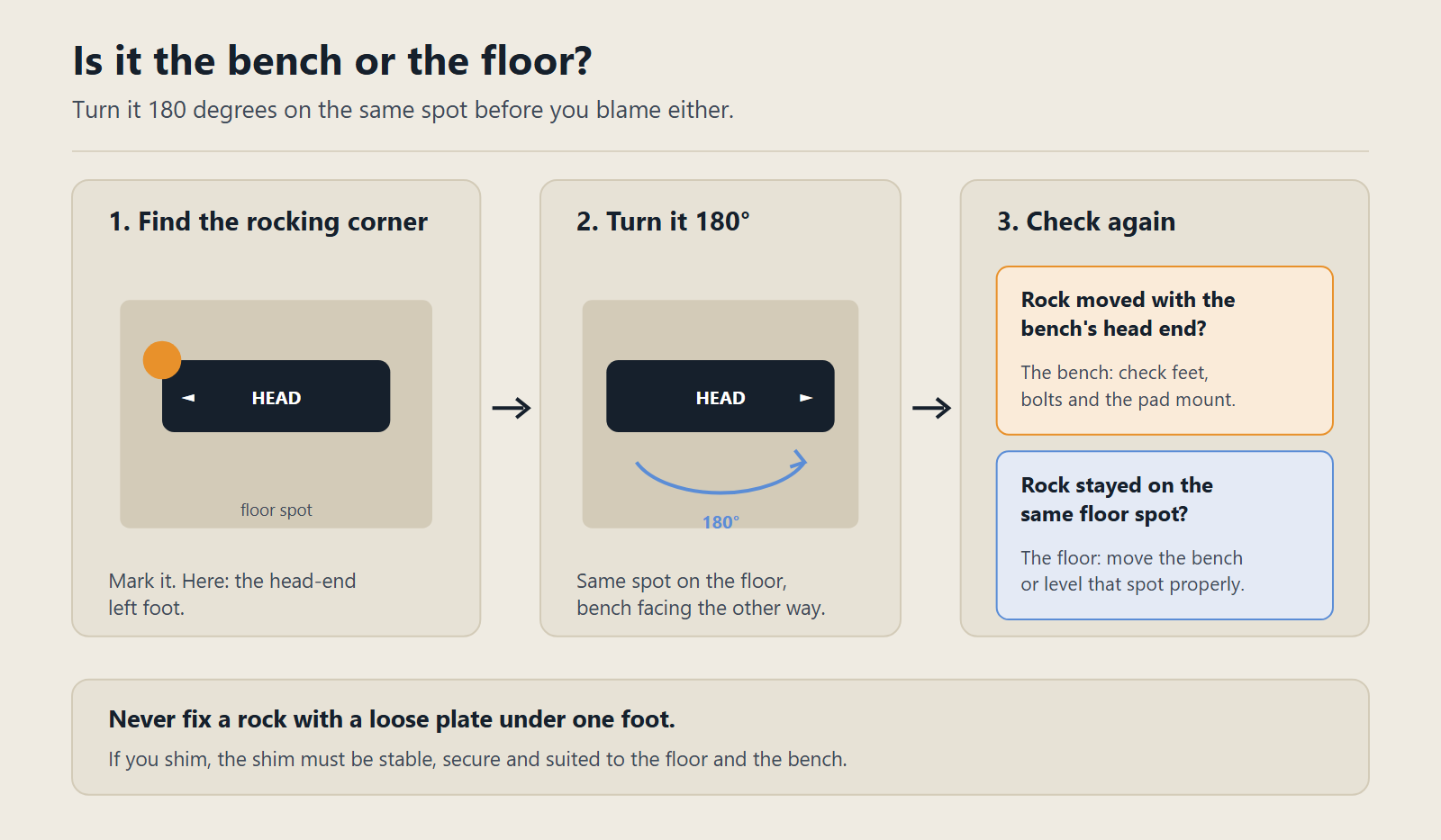
Figure 1. Turn it around before you blame it.
That said, the better benches handled an uneven surface better. Wider feet and firmer rubber contact points made them less sensitive to small floor imperfections.
Best Overall Flat Weight Bench: REP FB-5000
The REP FB-5000 gave the best balance of stability, pad support, size, mobility and price. It felt planted from the first setup.
It passed the corner test without rocking. Its feet met the floor evenly and the frame didn’t twist when I pressed near the pad edges. The tripod design helped: instead of a wide stabilizer near your feet, it uses a narrower front support and a wider rear base, which leaves your legs free while keeping the upper section stable.
It stayed composed under load. I found no obvious side-to-side movement at the center support, and the pad bolts held, so the upholstery didn’t shift on the frame. During heavy presses the REP FB-5000 stayed exactly where I put it. Strong leg drive compressed the rubber feet a little but caused no visible sliding.
The pad was firm and supportive. I could set my upper back without sinking deeply into the foam, and the cover had enough grip to limit movement during leg drive. A stable frame can still feel poor if the pad shifts or compresses unevenly, and the REP avoided that. If pad support matters to you, I covered it in detail in my weight bench pad comparison.
It’s easy to move. Wheels and a handle make it simple to roll in and out of a rack, which matters with a heavier bench, and the wheels stayed out of the way during pressing.
Its faults were minor. The pad needed careful alignment during assembly: tighten the bolts before centering it and it can sit slightly crooked. I loosened it, adjusted it and tightened gradually. It’s also heavier than cheap benches, though that weight is part of why it’s stable.
The Rogue moved slightly less, but the REP FB-5000 came close for less money. It was stable enough for serious pressing, compact enough for a garage gym and easy enough to move every session.
See the REP FB-5000 at REP Fitness
Most Stable Flat Bench: Rogue Monster Utility Bench
The Rogue Monster Utility Bench felt the most overbuilt. Rogue makes it from 3×3-inch 11-gauge steel in the USA, and its frame, feet, pad support and sheer mass made an extremely rigid pressing platform.
The frame barely moved. In the side-load test, pushing on the pad edge produced no noticeable twisting. The welded structure felt like one solid unit rather than parts bolted together, and it stayed planted under the static center load.
It was the bench I trusted most on heavy sets. It didn’t move during the unrack, the feet stayed in contact through aggressive leg drive, and it stayed put when I reracked less smoothly than I meant to. That last one matters: equipment often feels stable on perfect reps and reveals movement when the bar hits the uprights.
You can choose the pad. The Rogue Monster Utility Bench comes with different pad options that change its width and feel. The wider pad supported more of my upper back and shoulders and needed a slightly different arm position. Whatever the pad, the frame underneath stayed exceptionally stable.
Price and weight are the drawbacks. It was harder to move than the REP, especially across uneven flooring, and its premium build may be more than someone pressing moderate weights needs. Rogue won the pure stability category, but the REP FB-5000 stayed my better overall recommendation.
See the Rogue Monster Utility Bench at Rogue
Titan TITAN Series Flat Bench: Stable Once Adjusted
The Titan performed well. It didn’t match the Rogue’s refinement, but it had a wide, substantial base and a strong frame.
It needed one fix. It showed slight movement in the corner test at first. One foot assembly had to be loosened, repositioned and retightened, and once corrected the wobble dropped a lot. Assembly tolerances can affect a flat bench even when the steel is strong.
It pressed well. It stayed stable enough for serious home use. I felt a little frame vibration on the rerack, but it didn’t shift across the floor. The feet gripped well on rubber. On bare concrete it was more likely to slide under leg drive.
Watch the pad bolts. The pad wasn’t mounted as securely as the REP’s or Rogue’s. Pushing hard near one edge, I could feel a little movement between pad and frame. Tightening the hardware helped, and I’d check those bolts every so often, especially after moving the bench.
On performance it’s a strong, no-frills bench, but at $239.97 it costs within a few dollars of the REP FB-5000. At that price the REP is the better buy, so the budget award goes to the Bells of Steel below.
Check the Titan flat bench on Amazon
Get the whole system, not just the bench
A flat weight bench is the base of most of what you’ll press at home. The Machine Swap Playbook turns the machines you’d queue for at a commercial gym into barbell, dumbbell and bench swaps you can run in a garage, ordered by movement pattern so a whole session fits around one bench.
Eighteen swaps. Forty pages. Free, no upsell.
Best Budget Flat Bench: Bells of Steel Flat Utility Bench
The Bells of Steel combined a comfortable, grippy pad with a sturdy frame. Its stability was close to the Titan’s with slightly better pad performance, at $149.99. That makes it the best budget flat bench in this group.
Its feet sat evenly. I found little corner-to-corner rocking, though it was a bit sensitive to the sloped part of my garage. Moving it to the marked test area solved that.
The frame held under side pressure. The pad edges compressed more than the Rogue’s, but the frame didn’t shift. With aggressive leg drive I noticed a little front-to-back movement, which seemed to come from the rubber feet flexing rather than the steel.
The pad grip was its standout. My shoulders stayed put, which meant less of my effort went into sliding. Perceived stability comes from the whole system, not just the steel, and a grippy pad can make a lighter bench feel more secure. At 37 lb with a 661 lb rating it’s also easy to move and store, though it’s lighter-duty than the benches above.
See the Flat Utility Bench at Bells of Steel
Best for Light Training: Amazon Basics Flat Weight Bench
The Amazon Basics Sturdy Flat Weight Bench was cheap, light and simple to assemble. It was also clearly less stable than the heavy-duty benches.
It showed a small corner-to-corner rock on the test floor, and tightening the hardware reduced it without eliminating it. Its frame uses several bolted connections, and each one is a small chance for movement. Under a centered load it was fine, but side pressure caused more visible frame movement. The feet were narrower and the low weight made it easy to shift.
For light and moderate dumbbell presses it worked. Under a heavier barbell I noticed every movement: leg drive pushed it slightly backward even on rubber, and the pad compressed more than the premium pads, which reduced upper-back stability. It suits a beginner using modest weights, not heavy pressing.
Best Folding Flat Bench: FLYBIRD Foldable Flat Weight Bench
The FLYBIRD Foldable Flat Weight Bench is built around portability and storage. That makes it convenient and less rigid.
A folding flat bench has extra joints and locking points. They let it store compactly, but each is another place movement can develop. Even with the pins fully engaged I could feel slight play in the frame during the side-load test. The pad was softer than the heavy-duty benches’ and compressed unevenly under concentrated pressure, so the surface felt less stable before the frame even moved. On heavier presses, the pad compression and the joint play together made it feel less confidence-inspiring.
It makes the most sense for light dumbbell training, small apartments, occasional workouts and anyone who needs to fold the bench away. Its strength is convenience, not heavy-press stability.
The Generic Folding Bench
The generic folding bench wobbled the most. It had a light frame, removable pins and a narrow base. One corner lifted visibly when I pressed on the opposite side, and moving it didn’t help, which confirmed the movement came from the bench, not the floor.
Its folding pins had more clearance than they needed. That made assembly easy and let the frame shift slightly around each joint. Under a static load the joints settled; when the load changed, as it does in every press, the frame shifted again. I stopped adding weight once the movement became distracting. It may still have been under its advertised capacity, but stability was already inadequate. A capacity figure doesn’t guarantee a secure pressing platform.
What Actually Causes Flat Bench Wobble
Across the seven benches, wobble came from a handful of sources:
- Uneven feet. If the feet don’t sit in the same plane, a corner rocks, from manufacturing variation, assembly or the floor.
- Loose hardware. Bolted frames need checking. A joint that felt tight at assembly can settle after a few workouts.
- Narrow stabilizers. A narrow base resists side-to-side movement less.
- Soft rubber feet. Rubber grips, but very soft feet compress unevenly under load.
- Pad movement. Sometimes the frame stays still while the pad shifts above it. It still feels like wobble.
- Folding joints. Every hinge, pin and removable connection adds potential play.
- Low bench weight. A light bench is easier to push across the floor.
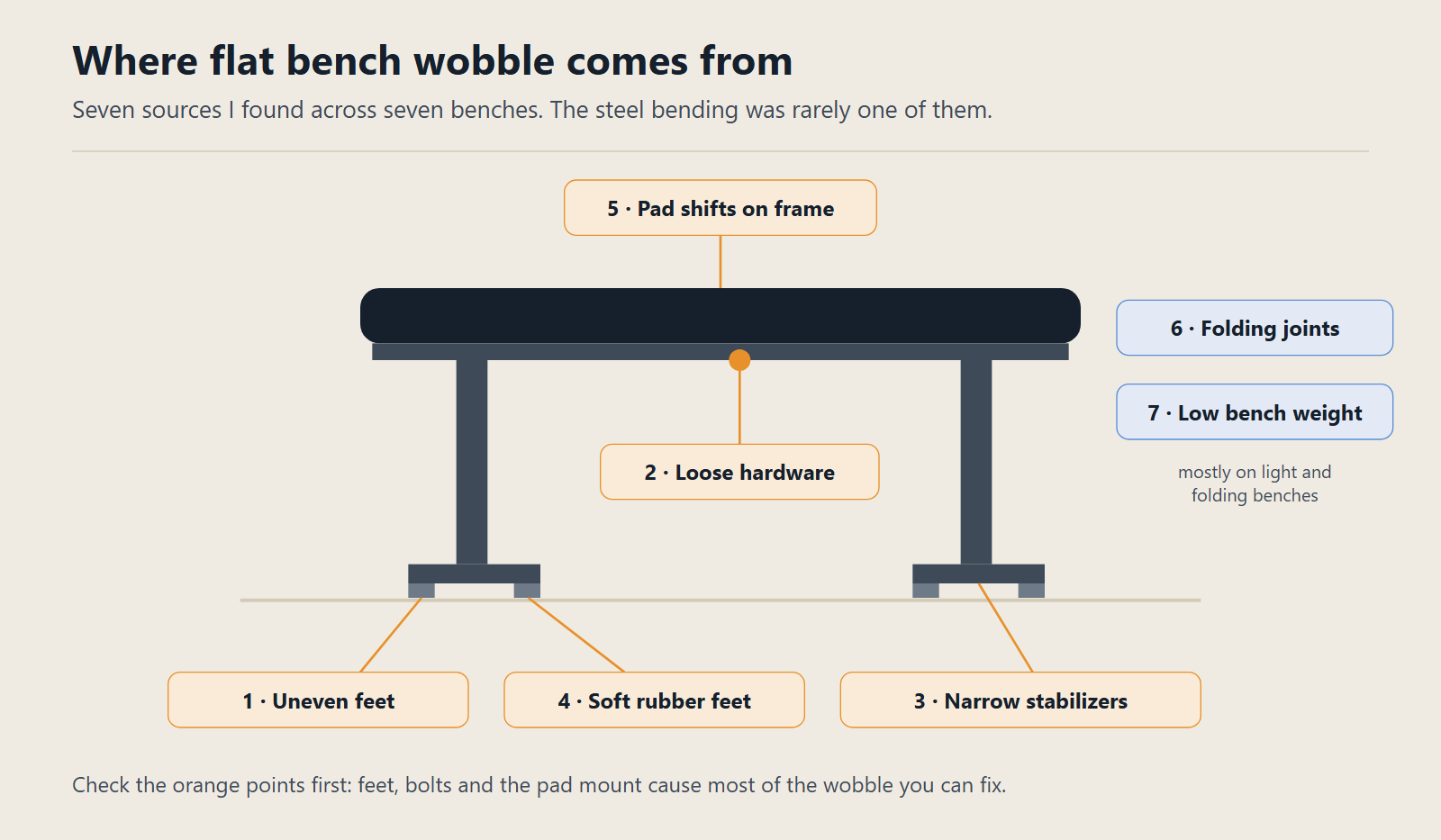
Figure 2. Most wobble lives in the joints and the feet.
Frame flex and wobble aren’t the same thing. Flex is the structure deforming under load. Wobble is unwanted movement between the bench and the floor, or between connected parts. A bench can flex slightly and still be stable, or use thick steel and wobble because one foot sits unevenly. The premium benches controlled both. The budget benches usually struggled with connections and floor contact more than with any obvious bending.
Why Leg Drive Exposes a Weak Flat Bench
Leg drive pushes force horizontally through the bench. In a barbell press you drive through your feet and send that force toward your upper back. If the pad is slippery, your body moves. If the feet lack grip, the bench slides. If the frame has loose joints, it shifts. That’s why a bench can feel solid when you sit on it and unstable during a real press: the load isn’t only pushing down.
Flooring matters too. Rubber flooring improved every bench: more grip, less sliding and some tolerance for small surface flaws. Thick, soft mats created a different problem, though, because narrow feet sank into them and movement increased. A firm rubber gym tile worked better than a soft exercise mat, and I wouldn’t judge any bench on carpet or foam.
Flat Weight Bench Wobble Comparison
| Bench | Unloaded wobble | Heavy-press movement | Overall stability |
|---|---|---|---|
| Rogue Monster Utility Bench | Almost none | Minimal | Best |
| REP FB-5000 | Almost none | Very low | Excellent |
| Titan TITAN Series | Low after adjustment | Low | Very good |
| Bells of Steel Flat Utility | Low | Low to moderate | Very good |
| Amazon Basics | Moderate | Noticeable | Fair |
| FLYBIRD Foldable | Moderate | Noticeable | Limited for heavy use |
| Generic folding bench | High | High | Poor |
The differences grew as the load and leg drive increased.
Which Flat Bench to Buy
- Most home gyms: REP FB-5000. The best flat bench overall, with excellent stability, a supportive pad, wheels and fair pricing.
- Maximum stability: Rogue Monster Utility Bench. The least movement of all, if you don’t mind the price and weight.
- Tight budget: Bells of Steel Flat Utility Bench. Stability close to the Titan’s and the best pad grip for $149.99.
- Light training on a shoestring: Amazon Basics. Fine for modest dumbbell work.
- You need to fold it away: FLYBIRD Foldable. Convenient storage, limited heavy-press stability.
A premium flat bench makes the most sense if you press heavy, use strong leg drive, train often, want competition pad height or plan to keep it for years. For light dumbbell work a budget bench may be enough. If you’re pairing a bench with a rack, check how they fit together first with my squat rack and bench guide.
How to Check a Flat Weight Bench Before Pressing
Before you press on a new or unfamiliar bench:
- Put it on a firm, level surface.
- Press down on all four corners.
- Check every bolt and pin.
- Push the pad from side to side.
- Inspect the rubber feet.
- Sit down and apply leg drive.
- Test with an empty bar.
- Add weight gradually.
- Recheck the hardware after the first few sessions.
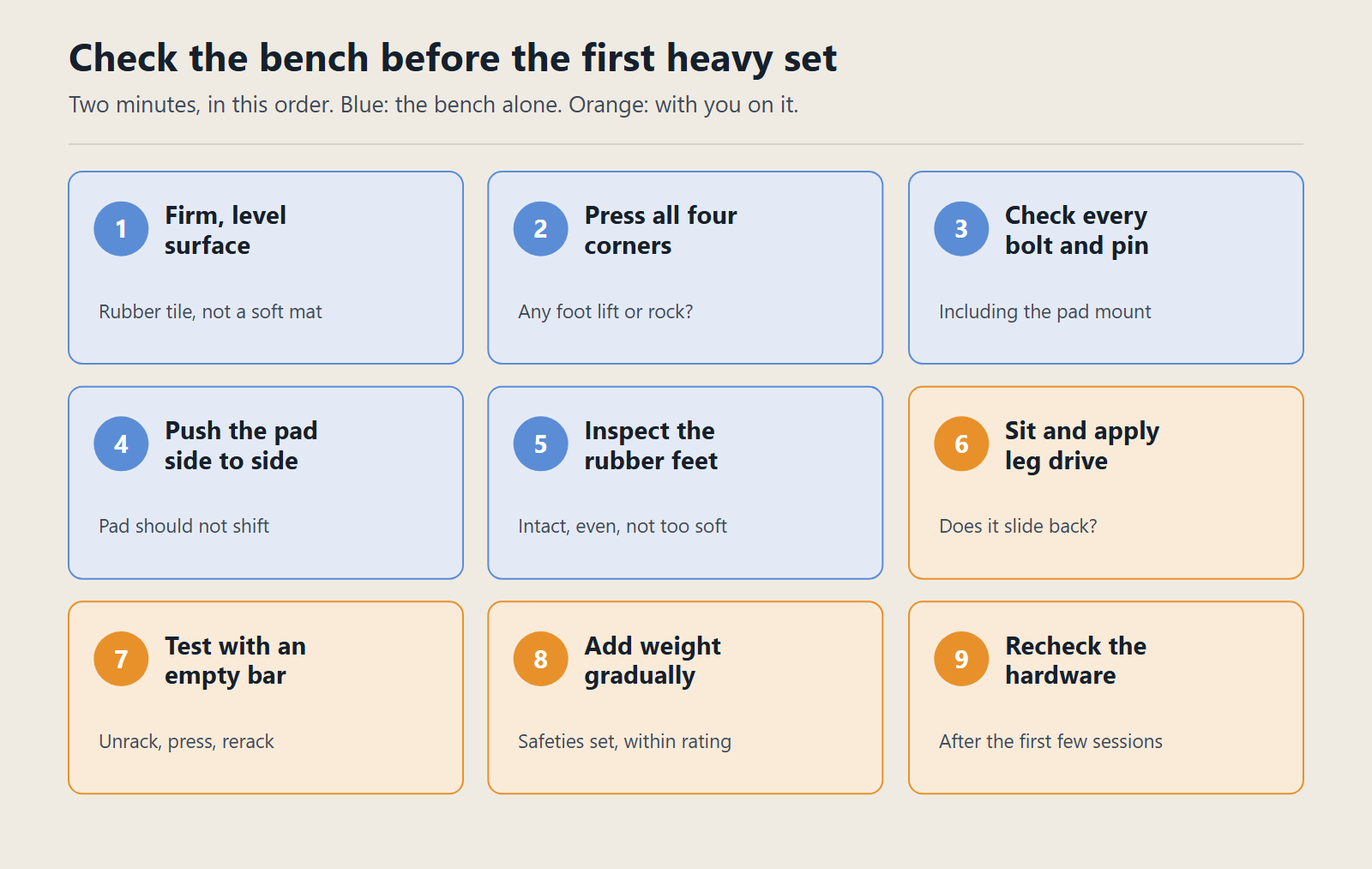
Figure 3. Two minutes of checks before the first heavy set.
Don’t “fix” a rocking bench with a loose plate or a random object under one foot. If you need a shim, it has to be stable, secure and suited to your floor and bench.
Free Tools for Training on a Flat Weight Bench
- Machine Swap Finder: type any gym machine and get three ranked swaps, with a gear line showing which ones need a rack or a bench.
- Machine Load Converter: turn the weight you used on a gym machine into a starting load for the barbell or dumbbell swap.
- Loadable Weight Rounder: see what your plate jumps mean in practice, and which load to use when your target falls between two.
Questions People Ask About Flat Weight Benches
What is the best flat weight bench for a home gym?
Of the seven I tested, the REP FB-5000. It was almost as stable as the Rogue Monster Utility Bench, with a supportive pad, wheels and a handle, and it costs less. The Rogue moved the least of all if stability is your only priority.
Why does my flat bench wobble?
Usually it’s the feet, loose bolts, the pad shifting or an uneven floor, not the steel. Turn the bench 180 degrees: if the wobble moves with it, check the feet and hardware; if it stays on the same spot, the floor is the cause.
Is a more expensive flat bench more stable?
Generally, but not always. The premium benches were the most stable, yet the Bells of Steel at $149.99 came close to a bench costing far more. Feet, rubber, frame geometry and assembly all matter as much as price.
Are folding flat benches stable enough for heavy pressing?
Not in my testing. Every hinge and pin adds play, and both folding benches I tried moved more under heavy presses than fixed-frame benches. They’re fine for light dumbbell work and small spaces.
Does flooring affect bench stability?
Yes. Firm rubber gym tiles improved every bench by adding grip and evening out small floor flaws. Thick, soft mats made narrow feet sink and increased movement, and carpet or foam can make even a good bench feel unstable.
How do I stop my bench sliding during leg drive?
Use firm rubber flooring, check the rubber feet are intact, and choose a pad with a grippy cover so your shoulders stay planted. A heavier bench with wider feet also resists sliding better than a light, narrow one.
What weight capacity do I need in a flat bench?
More than you’ll ever load, but capacity isn’t stability. A bench can hold a big static load and still wobble under a real press. Judge a bench by its feet, joints and pad as well as its rating.
The Verdict on Flat Weight Benches
Testing flat benches under a heavy press changed how I define stability. The best bench wasn’t simply the heaviest or the one with the thickest steel. It was the one whose frame, feet, pad, hardware and floor contact worked together.
The Rogue Monster Utility Bench moved the least. The REP FB-5000 was my best flat bench overall because it stayed extremely stable while being easier to move and better priced. The Bells of Steel was the best budget choice, and the Titan was solid once its feet were aligned, though it no longer undercuts the REP on price. The lighter benches worked for moderate training, but their weaknesses were hard to ignore under heavier pressing, and the folding models’ extra joints added movement that fixed frames avoided.
A good flat bench should disappear beneath the lift. It shouldn’t rock, slide, twist or ask for your attention. The weakest benches treated weight capacity as the goal. The best ones treated stability as the goal.
Once the bench is sorted, the next question is what to train on it. The Machine Swap Playbook covers eighteen swaps across the six patterns the gym’s queues form around, with a one-page cheat sheet you can screenshot and use mid-workout.
→ Send me the playbook — it’s free
Affiliate disclosure: WildnSwole earns a commission when you click a link to a partner and make a purchase. As an Amazon Associate, I earn from qualifying purchases. Commissions do not change what the content recommends and they do not add to what you pay.
The content in this article is for general information only and does not constitute medical or personal training advice. Always consult a qualified professional before making changes to your training.
Leave a Reply