The Best Home Gym Equipment Isn’t the Fanciest. It’s the Gear You Can Keep Fixing.
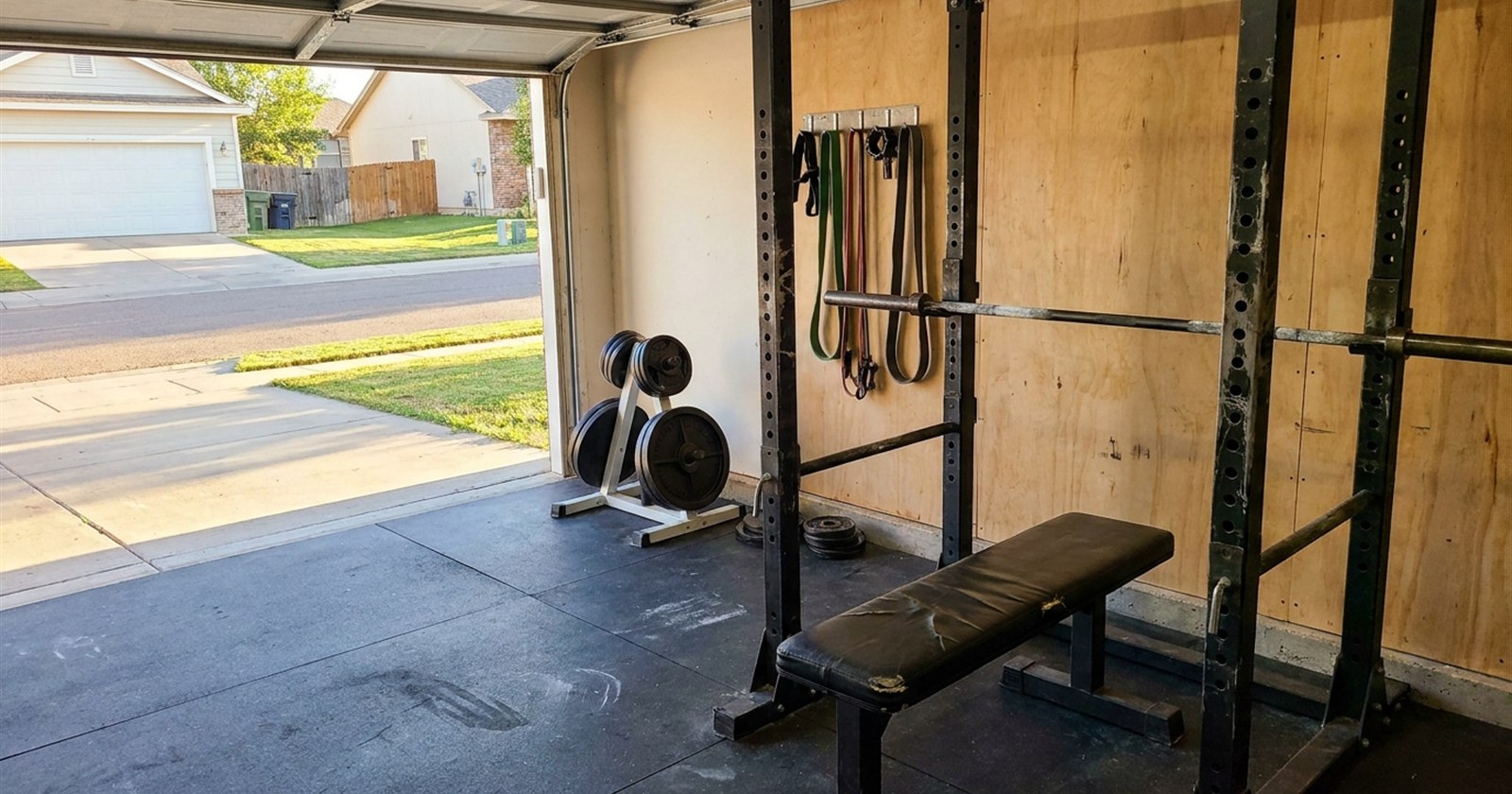
Illustration. Well-used gear: scuffs on the uprights, chalk on the mats, a pad that has earned its replacement.
New home gyms look impressive. The flooring is clean, every plate faces the same way, the cable handles hang neatly and nobody has chipped the rack’s powder coat yet. That’s exactly why a brand-new room tells you very little about the best home gym equipment. Weak points only show up after a few hundred sessions, a couple of humid summers and the day motivation dips.
This guide is about what happens after the excitement wears off. It’s built on how steel, foam, vinyl, rubber, cables and plywood behave under years of loading, sweat, chalk and garage weather, and on the wear patterns that show up again and again in home and garage gyms. It isn’t a lab test, and I won’t pretend I measured anything. It’s a buyer’s map of what tends to last, what tends to need attention, and how much gym equipment maintenance each piece asks of you. If you’re still deciding what a home gym even needs, the free Machine Swap Playbook shows how much a rack, a bar and a bench can replace.
The pattern is consistent. Heavy steel racks last. Benches last when their pads and hardware can be replaced. Dense rubber flooring outlives foam. Wall storage works when it’s mounted properly, and a simple barbell stays useful long after complicated machines develop small, annoying problems.
The short version: the best home gym equipment is simple, built from solid steel, and repairable with common parts. Buy the frame for decades, treat pads, cables and liners as consumables, plan the floor for loaded barbells, and only buy attachments for habits you already have. Complexity isn’t bad, but every moving part has to earn its maintenance and its floor space.
What Makes the Best Home Gym Equipment Last
When you’re judging the best home gym equipment, appearance is a poor guide to durability. A scratched rack can be excellent. A spotless machine may simply be unused. When you judge home gym essentials for the long run, look at the signs that actually predict a long life:
- Whether the rack stays square and its bolts stay tight
- Whether the bench rocks, and whether its upholstery splits or compresses
- Whether cables move smoothly and pulleys stay quiet
- Whether plate storage bends, loosens or becomes awkward to use
- Whether flooring seams separate
- Whether rust appears around welds and hardware
- Whether attachments still get used
- Whether the equipment can be repaired with parts you can still buy
- Whether the layout still makes sense after your training changes
The high-wear spots tell the real story, not the wide shot of the room: J-cup contact points, safety arms, bench-pad edges, barbell sleeves, plate pegs, cable ends, pulley wheels, flooring seams, rack feet, wall anchors, handles and adjustment pins.
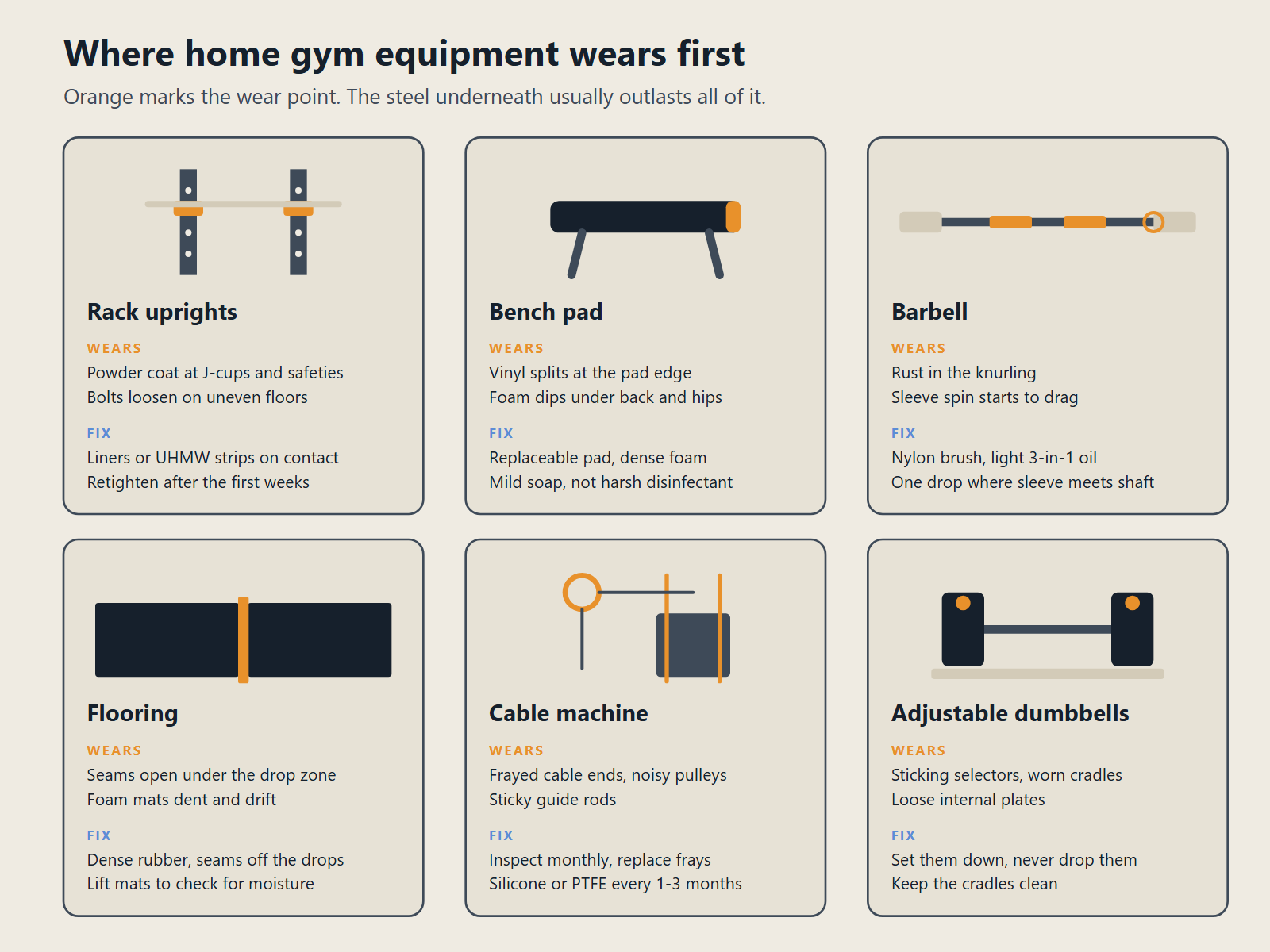
Figure 1. The six places to look first, and what keeps each one alive.
Well-Used Gear Looks Used
The most functional gyms rarely look perfect. Racks carry scratches where attachments go on and off. Knurling holds chalk. Bench pads show light creasing, and rubber floors carry marks from plates and dumbbells. That wear isn’t damage. It’s evidence that the equipment gets used.
The opposite is worth recognizing too. A beautiful all-in-one trainer surrounded by boxes stays in perfect condition because using it means clearing the area first. Durable garage gym equipment isn’t just steel that survives. The layout has to survive changes in motivation, schedule, storage needs and training style. My home gym setup guide covers how to keep a room usable as it changes.
Heavy-Duty Racks Age the Best
Among garage gym equipment, the most predictable long-term winners are simple steel racks. Four-post power racks, half racks and properly installed wall-mounted racks stay functional for years. The steel rarely causes trouble; the wear shows up on the finish and the removable accessories.
Powder coat scratches. J-cups and safety arms gradually scratch the uprights, and metal-on-metal attachments cause the most of it. Plastic or UHMW liners reduce the damage, though the liners themselves eventually need replacing. Bare steel against a dark finish looks dramatic in a photo, but structurally the rack is fine. Touch-up paint or protective tape handles the appearance if it bothers you.
Loose hardware. Racks often need their bolts retightened after the first few weeks, especially on uneven garage floors. Once the frame settles and the hardware is snug, most stay stable. A rack that keeps moving almost always has one of three problems: an uneven floor, incorrect assembly or an unsecured wall or floor mount. A well-built rack can’t make up for a poor installation.
Attachment fit. Frequently moved attachments wear faster than permanent parts. Heavy lever arms, monolifts and removable dip stations scratch uprights and can develop play at their connection points. Simple J-cups and spotter arms hold up better because they have fewer moving parts.
Bigger isn’t automatically better. A 3-by-3-inch rack’s real advantage is compatibility: popular dimensions support a huge range of replacement parts and future accessories. The cost is footprint. A rack expanded with rear storage posts, plate horns, a cable attachment and lever arms stays physically durable, but if the bench has to be wheeled around the car between workouts, the layout hasn’t held up. A smaller rack with a clear working zone is more useful than a massive system surrounded by obstacles. My home gym power rack guide covers depth, height and hole-spacing trade-offs.
Benches Reveal Quality Faster Than Racks
Weight benches show their age sooner than any of the other home gym essentials. Steel frames stay intact, but pads, adjustment mechanisms, wheels, handles and plastic parts expose the differences in quality.
Pad compression. Heavily used benches develop softer areas where the upper back and hips rest. Good pads compress evenly and keep their shape; budget pads can form visible dips, and in bad cases you feel the backing board during heavy presses. A thick pad doesn’t guarantee durability. Dense foam outlasts soft, oversized cushioning, which my weight bench pad comparison digs into.
Upholstery edges. The pad edge is the most common failure point. Vinyl stretched over a sharp corner gradually splits from contact, sweat and cleaning. A bench with a replaceable pad lets you renew the worn part without replacing the frame. Unusual pad shapes or discontinued parts make that much harder.
Adjustment mechanisms. Ladder-style adjustable benches stay easy to use because the simple metal support has little to fail. Pop-pin designs work well when kept clean but can stick or develop extra movement over the years. A little play is normal on adjustable benches; what matters is whether it stays consistent or keeps getting worse.
Flat benches survive almost everything
A dedicated flat bench is about the most durable item in a home gym. No adjustment ladder, no moving backrest, few bolts, a simple welded frame, a replaceable pad and minimal plastic. The wear shows up in the upholstery and the rubber feet, and that’s about it. A rough-looking flat bench with one replaced pad and one new foot can be completely stable. If you only buy one bench and don’t need inclines, my flat weight bench guide is the place to start.
Rubber Flooring Outlasts Foam
Flooring is one of the home gym essentials where the long-term difference between materials is clearest.
Horse stall mats age well under garage gym equipment. They collect surface marks, chalk and compressed spots under permanent equipment, but they rarely tear. The usual problem is movement at the seams: loosely fitted mats open gaps that collect dirt and moisture, and repeated barbell impacts widen the joints. Put the deadlift zone across a seam and it separates faster. The material holds up; the seam layout decides how well the floor performs.
Rubber rolls give the cleanest long-term look, with fewer joints and easier cleaning than individual mats. Thin rolls dent under heavy rack feet and plate trees, so thicker material, or load-spreading squares under permanent equipment, helps.
Interlocking rubber tiles survive ordinary training but can separate near drop zones. The tabs that make installation easy become the weak point under repeated impact. They’re better under general equipment than directly under a dropped barbell.
Foam puzzle mats age the worst: permanent dents under benches, torn sections near racks and seams that drift until the rack no longer sits level. Foam is fine for mobility work and a stretching corner. It doesn’t hold up under heavy equipment. My home gym flooring comparison ranks all seven common options for barbell use.
Plywood platforms age better than many people expect, as long as they’re sealed, kept dry and built on a reasonably level slab. The rubber impact zones wear, but the plywood keeps spreading the load. Moisture is the enemy: a platform laid straight on a damp slab can darken and start breaking down underneath while the top still looks fine, and an unsealed edge that sees water will swell. Treat moisture as seriously as impact, and check the underside now and then.
Barbells Need Less Attention Than Machines
A quality barbell is the most reliable of the home gym essentials. The finish wears where the bar meets the J-cups, sleeves pick up scratches from plates, and bare-steel shafts discolor if they’re neglected in a humid garage. Almost every bar stays fully functional anyway.
Barbell care is simple, and REP Fitness’s home gym equipment maintenance guide lays out the routine most bar makers recommend: brush the knurling with a nylon brush, apply a light coat of 3-in-1 oil to bare metal and wipe off the excess, and match the frequency to the finish. Bare steel and black oxide need weekly attention, zinc and chrome can go monthly, and stainless and Cerakote need the least. Don’t take the sleeves apart; if spin starts to drag, a drop of 3-in-1 oil where the sleeve meets the shaft usually fixes it.
Rust. Bare steel needs the most care, and thin finishes like black oxide wear through at contact points. Stainless bars look better after years of garage use but cost considerably more. No single finish is mandatory. Pick one that matches your room’s humidity and how much gym equipment maintenance you’re willing to do.
Storage. Good storage is the easiest gym equipment maintenance there is. Don’t leave a loaded bar sitting in the rack between sessions, and give it a proper holder rather than leaning it in a corner, where dust and moisture collect at one end.
Get the whole system, not just the gear
The best home gym equipment only pays off if every session fits it. The Machine Swap Playbook turns the machines you’d queue for at a commercial gym into barbell, dumbbell and bench swaps, ordered by movement pattern, so a full workout fits a rack, a bar and a bench, the three pieces that last longest.
Eighteen swaps. Forty pages. Free, no upsell.
Cable Machines Develop Small Problems First
Cable systems are hugely useful, and they ask for more gym equipment maintenance than racks and bars. They rarely die outright. They decline through small annoyances: squeaky pulleys, worn cable coating, loose handles, frayed cable ends, sticky guide rods, misaligned weight plates, cracked plastic pulleys and extra movement in adjustable arms. None of that ends the machine’s life. It makes it less pleasant to use, and a frayed cable should be replaced right away, not nursed along.
Guide rods. Selectorized stacks feel smoothest when the rods are clean and lubricated per the manufacturer’s instructions, typically with 100% silicone or a PTFE dry lube every one to three months, sprayed onto a cloth rather than straight onto the machine. Avoid WD-40 and lithium grease on guide rods; both attract dust. Garage dust, chalk and humidity affect them more than you’d expect, and a machine near an open garage door needs more frequent cleaning.
Replacement cables. If you can order a replacement cable or pulley from the maker, a worn part is a twenty-minute job. An inexpensive machine with a custom cable or proprietary plastic pulley that’s no longer sold loses its value fast.
Plate-loaded systems avoid weight-stack issues but add plate handling and storage. The simplest pulley setups hold up best; complicated adjustable arms add exercise options along with more joints and locking pins. My home gym cable machine guide compares the main types.
All-in-one machines stay structurally strong; the problem is congestion. Every feature competes for the same space. The bench blocks the low pulley, stored plates interfere with cable travel, and attachments hanging off the frame have to be moved before you press. If you use most of the functions, an all-in-one is great. If you use the rack and one cable position, the rest slowly becomes permanent clutter. It holds up best when it replaces several stations you genuinely want, and worst as a collection of features bought for some future version of you.
Plate Storage Fails Through Access, Not Strength
Most plate trees never bend or collapse, which makes them some of the toughest garage gym equipment you can buy. They fail by becoming inconvenient: bumpers filling the pegs, small plates trapped behind 45s, neighboring stacks overlapping, heavy plates on high pegs, bars stored where they block the plates, narrow bases rocking under uneven loads.
The best long-term plate storage uses fewer, better-spaced pegs, keeps heavy plates low and leaves the sizes you use most within easy reach. Wall-mounted storage looks clean when it’s securely installed but is harder to change as your collection grows. Freestanding trees use wall space less efficiently but are easier to move or replace. Storage that survives is storage you can adapt. My weight plate rack guide matches storage shapes to rooms.
Wall Storage Holds Up When It’s Installed Right
Properly installed hooks and shelves keep bands, collars, handles, belts and small accessories off the floor, and that alone separates organized gyms from cluttered ones. Poorly installed systems loosen, tilt or damage the wall. Plates and bars need structural mounting suited to the wall type; light accessories are far more forgiving.
The common mistake is too many hooks. Over time the wall fills up and hanging items stick out into exercise paths. Shallow storage with clear space around the rack and bench works better. A wall doesn’t need to be full to be useful. Hooks are also the cheapest gym equipment maintenance tool you’ll buy: gear that hangs stays dry and gets looked at.
Adjustable Dumbbells Age According to Their Mechanism
Adjustable dumbbells are among the most space-efficient home gym essentials, and how they age depends on the design. Plate-loaded handles have almost nothing to fail; their downsides are slow changes and exposed hardware. Selectorized dumbbells are faster but more sensitive to drops and misalignment. Typical wear includes scratched cradles, sticking selectors, loose internal plates, worn number markings and cracked plastic near the handles.
Set them back in the cradle carefully and they last. Drop them like cast iron and the mechanisms suffer. My 100 lb adjustable dumbbell comparison covers which designs handle abuse best.
Cardio Machines Are the Most Abandoned Category
Treadmills, bikes, rowers and ellipticals take up a lot of floor, and the machines themselves often keep working. Use is what declines. A cardio machine that no longer fits your routine turns into a shelf for towels and boxes, and folding models don’t fix that, because few people fold and unfold a heavy machine consistently. The cardio machines that survive have one thing in common: their owners genuinely enjoy using them. Durability doesn’t matter if the machine is never switched on. Cardio machines also need the most specialized gym equipment maintenance, from belt lubrication to electronics, so an unused one costs you twice.
Climate Sets the Rate of Wear
Garage gym equipment ages differently from gear in an indoor room. Heat, humidity, cold, dust and moisture affect nearly everything.
Rust shows up first around bolt heads, welds, scratches through the finish, barbell knurling, plate hubs, guide rods and floor-contact points. The worst corrosion forms where moisture gets trapped, so gear pushed tight against an exterior wall or sitting on damp flooring needs more frequent checks. A dehumidifier, a fan and a light coat of oil on bare metal do more than any finish upgrade; REP notes corrosion speeds up significantly once relative humidity passes about 50 to 60 percent.
Upholstery suffers in heat. Vinyl can stiffen, fade or crack after a few hot summers, and sunlight through a window fades it unevenly. Clean pads with mild soap and water; harsh disinfectants can dry vinyl out.
Rubber handles temperature swings well but smells stronger in heat, and moisture trapped under mats is a hidden problem worth checking for.
The gyms that hold up best have ventilation, regular gym equipment maintenance, and enough space around each piece to actually inspect it.
Cheap Accessories Often Outlast Expensive Attachments
Simple accessories hold up surprisingly well. Bands eventually need replacing, but collars, straps, chains, handles and blocks stay useful for years. Large specialty attachments are the ones that get abandoned: lever arms, preacher pads, leg developers and specialty handles end up in a corner because installing them interrupts the workout. Their steel is still strong. Their practical value is gone. The most durable accessory is often the one that needs almost no setup.
Replacement Parts Change What Durability Means
A product doesn’t need every original part to last. It needs to stay repairable. The best home gym equipment lets you replace bench pads, plastic liners, rubber feet, wheels, adjustment pins, cables, pulleys, handles, bolts and storage caps. An older bench with a new pad and new wheels can be better than a newer budget bench headed for the curb because its proprietary hinge loosened and no part exists. Repairability often matters more than the original warranty, so when you compare the best home gym equipment, check the maker’s parts page before the spec sheet.
Home Gym Essentials That Hold Up
These are the home gym essentials that tend to last, and why:
| Equipment | Why it lasts |
|---|---|
| Welded or bolted steel rack | Simple structure, replaceable accessories |
| Dedicated flat bench | Few moving parts |
| Quality barbell | Basic mechanical design |
| Iron plates | Almost nothing to fail |
| Dense rubber mats | Resist compression |
| Simple plate tree | Low mechanical complexity |
| Plate-loaded dumbbells | Few failure points |
| Basic wall hooks | Easy to replace and move |
None of these are maintenance-free. They’re understandable and repairable.
Garage Gym Equipment That Needs the Most Attention
This garage gym equipment needs the most care over the years:
| Equipment | Common long-term issue |
|---|---|
| Cable machines | Cable, pulley and guide-rod wear |
| Selectorized dumbbells | Adjustment mechanism damage |
| Adjustable benches | Pad, wheel and pivot wear |
| Foam flooring | Compression and seam failure |
| All-in-one trainers | Congestion and attachment play |
| Folding equipment | Movement at hinges and pins |
| Cardio machines | Electronics and declining use |
| Specialty attachments | Abandoned because of setup time |
Complexity doesn’t guarantee failure. It increases the number of parts that have to stay aligned and working.
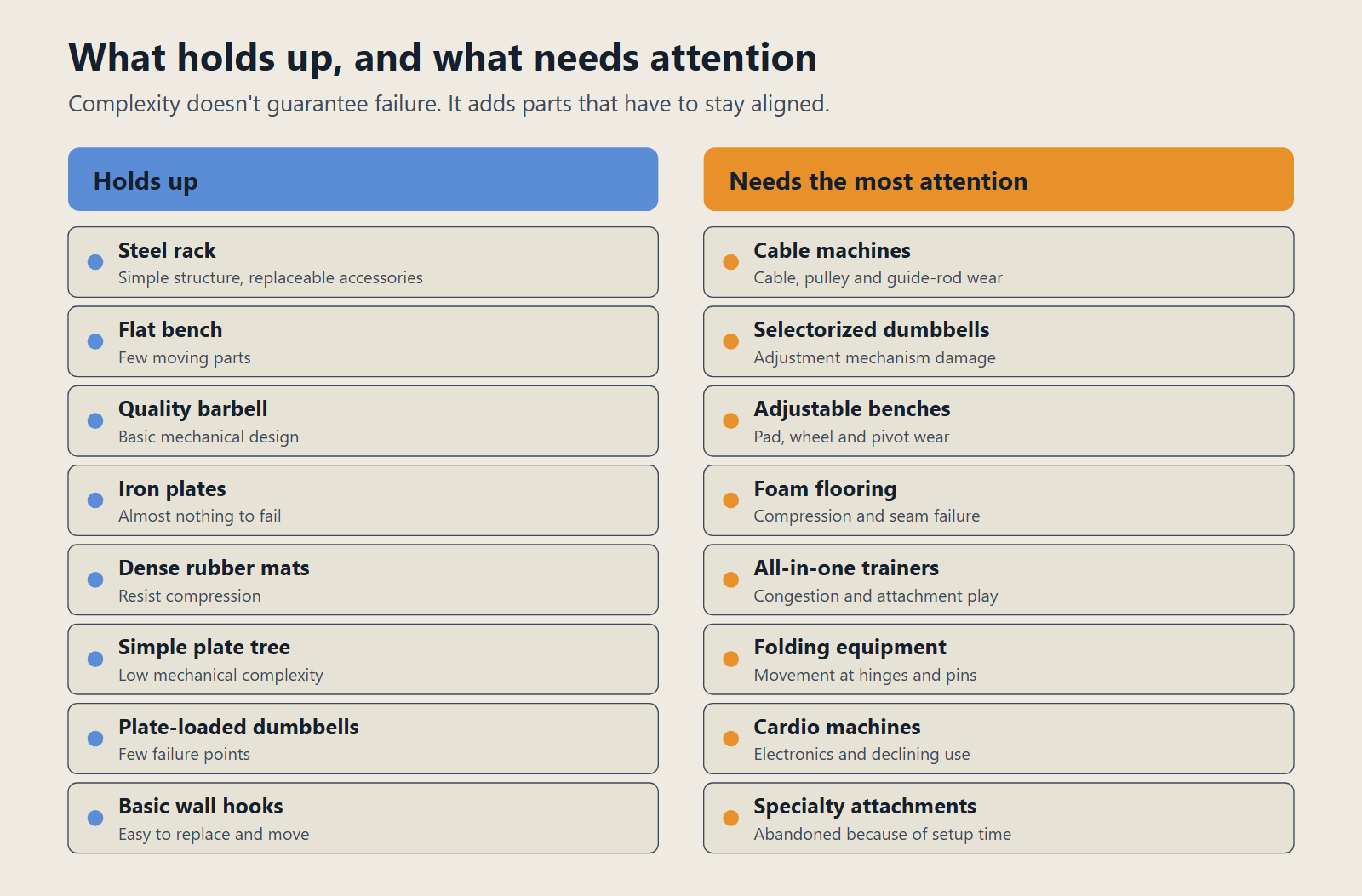
Figure 2. Simple and repairable on the left; more moving parts on the right.
A Home Gym Maintenance Schedule
These are typical intervals for gym equipment maintenance in a home or garage gym, drawn from common maker guidance. Your equipment’s manual wins wherever it differs.
| Task | How often | Notes |
|---|---|---|
| Wipe down pads, handles and bars | After every session | Microfiber cloth, mild soap and water on vinyl |
| Brush and oil a bare-steel or black-oxide bar | Weekly | Nylon brush, light 3-in-1 oil, wipe off the excess |
| Oil a zinc or chrome bar | Monthly | Stainless and Cerakote need the least |
| Check rack and bench bolts | Monthly, and after the first few weeks | Snug, not overtightened |
| Inspect cables, pulleys and pins | Monthly | Replace any frayed cable at once |
| Check pad edges and wheels | Monthly | Order a pad before the vinyl splits through |
| Lubricate guide rods and pop-pins | Every 1 to 3 months | 100% silicone or PTFE, sprayed onto a cloth |
| Deep-clean every barbell | Quarterly | Soap, nylon brush, dry, then oil to suit the finish |
| Lift mats and check underneath | Every few months | Look for trapped moisture and widening seams |
| Service a dragging sleeve | As needed | A drop of 3-in-1 where sleeve meets shaft; don’t disassemble |
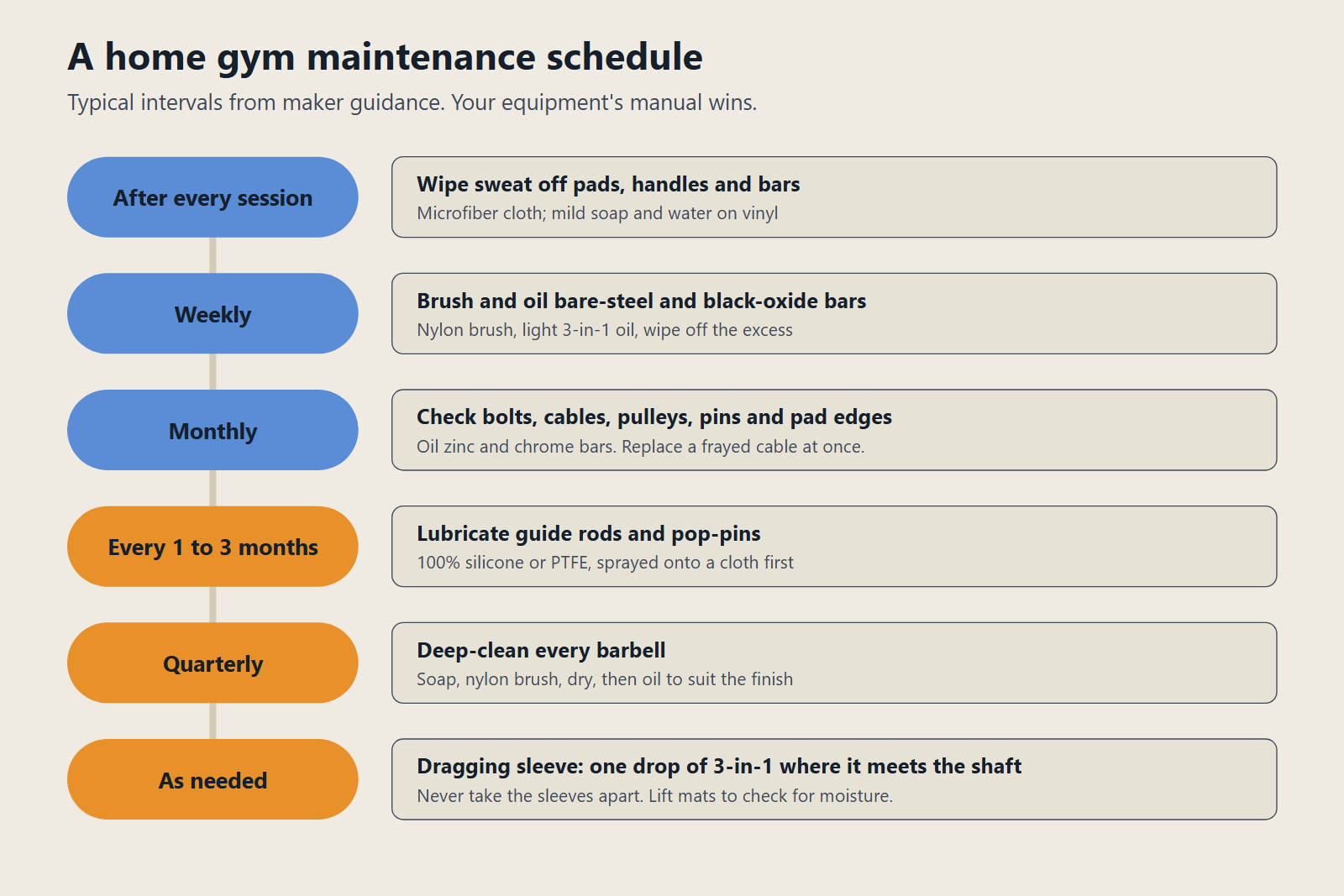
Figure 3. Most of the work is a wipe-down and a monthly look.
Ten minutes of gym equipment maintenance a month is the difference between a rack that lasts decades and one that rusts at the bolts.
The Layouts That Hold Up Best
The best home gym equipment still needs a layout that works. The most durable layouts share a few traits:
- One clear working lane. The rack, bench, dumbbells and storage surround an open central area that changes jobs during the workout.
- Plates near the bar, but not too near. You can lift and turn with a plate without hitting the rack or the wall.
- The bench stored outside the walkout. It rolls into position when needed instead of permanently occupying squat space.
- Accessories off the floor. Frequently used items are visible and reachable; rarely used gear lives elsewhere.
- Room for maintenance. You can reach the bolts, cables, guide rods and flooring seams. Equipment jammed against walls is harder to inspect and clean.
What People Regret and What They’d Buy Again
The common home gym regrets usually aren’t low-quality purchases. They’re things that never fit the routine: oversized racks, too many rack attachments, large cardio machines, cheap adjustable benches, foam flooring, fixed dumbbell sets that outgrew the room, complicated cable attachments, combination benches with weak leg developers, specialty bars used a handful of times, and storage bought before the collection was settled. The repeated theme is overestimating future use, buying for the person you expect to become instead of the training you already do.
The home gym essentials people would buy again are almost boring: a stable rack, a high-quality bench, dense rubber flooring, a dependable barbell, enough plates for the main lifts, adjustable dumbbells, simple plate storage, good lighting, a fan, shallow wall hooks and fewer but better attachments. Comfort shows up nearly as often as strength among the home gym essentials. Lighting, temperature, airflow and clear walkways decide whether the room gets used.
Rules for Buying the Best Home Gym Equipment
- Buy the frame for decades. The best home gym equipment starts with racks, benches and storage built as solid structures with replaceable wear parts.
- Treat pads, cables and liners as consumables. They’ll need replacing even when the frame is sound.
- Choose flooring for the heaviest activity. Plan the floor around loaded barbells, not stretching.
- Keep the main layout simple. One clear lane is worth more than one extra machine.
- Buy attachments only for existing habits. An accessory should solve a training need you have now.
- Leave room to inspect. Durability depends partly on noticing problems early.
- Prefer common dimensions and parts. Standard hardware, pads, cables and rack sizes make repairs easy.
Which Maintenance Gear to Buy
If you already own the best home gym equipment you can afford, the cheapest way to make it last is a few dollars of care. Start with a bar brush and oil, because the barbell is used every session and rust is the most common avoidable damage. Then keep spare wear parts for your garage gym equipment, like J-hooks or liners, so a worn contact point never scratches your bar or the uprights.
What You Need to Buy
These are well-reviewed, widely sold examples, not the exact products I used. Prices are from November 2026.
A barbell care kit
The Premium Barbell Care Kit (about $24, 4.5 stars from over 90 ratings) bundles a protective bar oil, a flexible nylon brush that wraps around the shaft to clean the knurling, and a microfiber towel for the final wipe. It covers the whole weekly or monthly bar routine in one bag.
Check the barbell care kit on Amazon
3-in-1 oil
The 3-IN-ONE Multi-Purpose Drip Oil (about $8, 4.6 stars from over 1,000 ratings) is the oil many bar makers name for shafts and sleeves, and the twist spout makes the single drop at a dragging sleeve easy. It’s also handy for bare-steel bolt heads and pins in a damp garage.
Replacement J-hooks with protective liners
The SELEWARE Heavy Duty J Hooks (about $26, 4.3 stars from about 570 ratings) are steel J-hooks with a thick plastic liner that protects the bar’s knurling and cuts noise. They fit 2-by-2-inch uprights with 1-inch holes only, so check your rack’s tube size and hole diameter before ordering.
Five Things to Check Before You Buy the Best Home Gym Equipment
- Replacement parts. Can you order pads, cables, pulleys, liners and feet from the maker today?
- Moving parts. Fewer pins, pivots and plastic parts mean fewer ways to become annoying.
- Your room’s climate. In a humid garage, pick garage gym equipment with finishes and storage that resist rust, and plan for a dehumidifier or fan.
- The floor under it. Dense rubber under anything heavy, with seams kept out of the drop zone.
- Real use. Buy for the training you already do, not the training you hope to start.
Free Tools for Choosing Home Gym Equipment
- Machine Swap Finder: type any gym machine you can’t fit at home and get three ranked swaps, with a gear line showing which ones need a rack or a bench.
- Adjustable Dumbbell Picker: answer a few questions about your room, budget and training, and it tells you which type of adjustable dumbbell suits you.
- Machine Load Converter: turn the weight you used on a gym machine into a starting load for the barbell or dumbbell swap.
Questions People Ask About the Best Home Gym Equipment
What is the best home gym equipment for the long term?
A steel rack, a dedicated flat bench, a quality barbell, iron plates and dense rubber flooring. They’re simple, have few moving parts and use common replacement parts, so they stay useful for years with light maintenance.
What are the home gym essentials?
The home gym essentials are a stable rack, a barbell, enough plates for the main lifts, a good bench and rubber flooring. Adjustable dumbbells, simple plate storage, shallow wall hooks, good lighting and a fan come next.
How long does home gym equipment last?
Steel racks, barbells and iron plates can last for decades. Pads, cables, pulleys, liners and rubber feet are wear parts that may need replacing after a few years of regular use, which is why repairability matters more than the warranty.
How often should you do gym equipment maintenance at home?
Wipe pads and handles after each session, oil a bare-steel bar weekly, check bolts, cables and pads monthly, lubricate guide rods every one to three months, and deep-clean bars quarterly. Follow your equipment’s manual where it differs.
How do you keep garage gym equipment from rusting?
Control humidity with a dehumidifier or fan, keep gear off damp floors and away from exterior walls, wipe sweat off after training, and keep a light coat of 3-in-1 oil on bare steel. Stainless or coated bars need far less attention.
Is foam or rubber flooring better for a home gym?
Rubber. Dense stall mats and rubber rolls resist compression and tearing under racks and dropped weights, while foam puzzle mats dent permanently and drift apart. Foam is only suitable for mobility or light-exercise areas.
What should you lubricate guide rods with?
A 100% silicone spray or PTFE dry lube, applied to a cloth and wiped onto the rods, typically every one to three months. Avoid WD-40 and lithium grease, which attract dust and gum up the stack.
What garage gym equipment do people regret buying?
Oversized racks, too many rack attachments, large cardio machines, cheap adjustable benches, foam flooring and specialty bars or attachments that take too long to set up. Most regrets come from buying for future training instead of current habits.
The Verdict on the Best Home Gym Equipment
The gear that holds up best isn’t spotless. It shows wear in predictable places while staying stable, accessible and repairable. Steel racks last. Flat benches last. Quality barbells and iron plates last. Dense rubber flooring survives when you manage the seams and the moisture.
Adjustable benches, cable systems and selectorized equipment stay useful but ask for more gym equipment maintenance. Foam flooring, complicated attachments and crowded all-in-one layouts cause the most long-term frustration.
The clearest difference isn’t price. It’s simplicity. Equipment with fewer moving parts has fewer ways to become annoying, and products with available replacement parts survive even when individual components wear out. That doesn’t mean a home gym should contain only basic equipment. It means every complicated product has to earn its maintenance and its footprint, and the room has to keep enough open floor to use it all.
Scratches, chalk, a worn pad and dented rubber aren’t signs of failure. They’re what the best home gym equipment looks like after thousands of workouts. Not perfect. Still useful.
Once the gear is sorted, fill your sessions with what you’d miss from a commercial gym. The Machine Swap Playbook covers eighteen swaps across the six patterns the gym’s queues form around, with a one-page cheat sheet you can screenshot and use mid-workout.
→ Send me the playbook — it’s free
Affiliate disclosure: WildnSwole earns a commission when you click a link to a partner and make a purchase. As an Amazon Associate, I earn from qualifying purchases. Commissions do not change what the content recommends and they do not add to what you pay.
The content in this article is for general information only and does not constitute medical or personal training advice. Always consult a qualified professional before making changes to your training.
Leave a Reply